

What’s changing, what’s worth it, and why lighting looks different here than anywhere else
Lighting Trends for Maricopa County Homes in 2026: From Paradise Valley to Avondale and Beyond.
The desert heat, dark sky rules, and year-round outdoor living are changing how we light our homes, and what worked five years ago is costing you money and comfort today.
You know that feeling when you walk into your house at 4 PM in July and it’s still bright outside, but somehow your kitchen feels like a cave? Or when you’re hosting on the patio in October and the lights are so harsh everyone looks washed out? That’s not just bad luck. That’s old lighting fighting against how we actually live in the Valley.
Maricopa County homes have different demands than just about anywhere else. We’re dealing with 115-degree days that cook cheap fixtures, monsoon dust that gets into everything, and dark sky ordinances that mean you can’t just blast light everywhere and call it good. Add in the fact that most of us use our outdoor spaces as actual living rooms for nine months of the year, and suddenly lighting isn’t just about flipping a switch. It’s about comfort, energy bills that don’t make you cry, and not looking like you’re running a prison yard when you turn on the backyard lights.
The good news? Lighting technology finally caught up to what we need out here. LED systems that don’t cook themselves, smart controls that actually make sense, and fixtures designed to keep glare down while still giving you enough light to see what you’re doing. Whether you’re in a custom build in Silverleaf or a 90s tract home in Surprise, there are real upgrades worth making in 2026, and plenty of expensive mistakes to avoid.
What Paradise Valley, North Scottsdale, and Fountain Hills Homeowners Are Installing (And Why It Actually Matters)
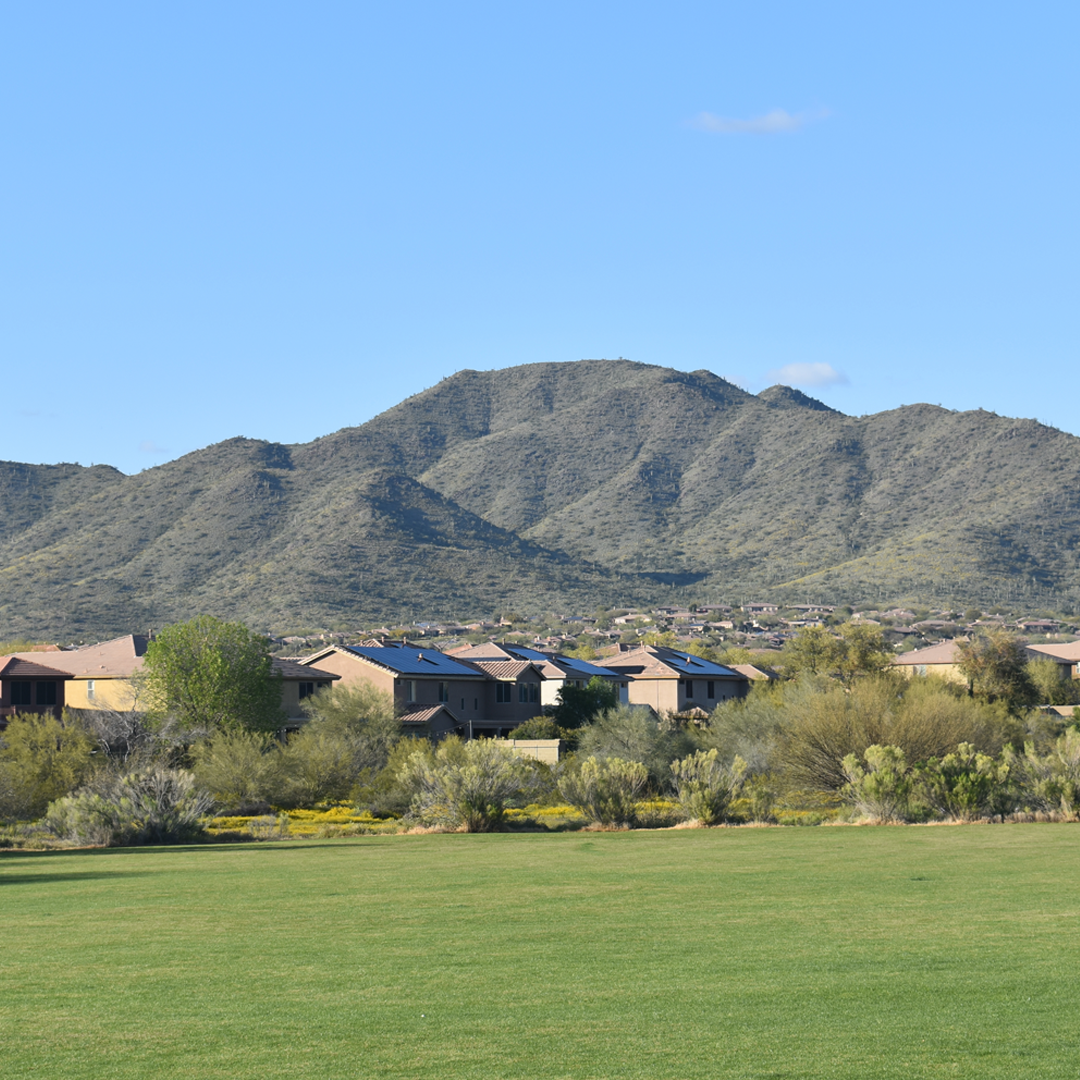
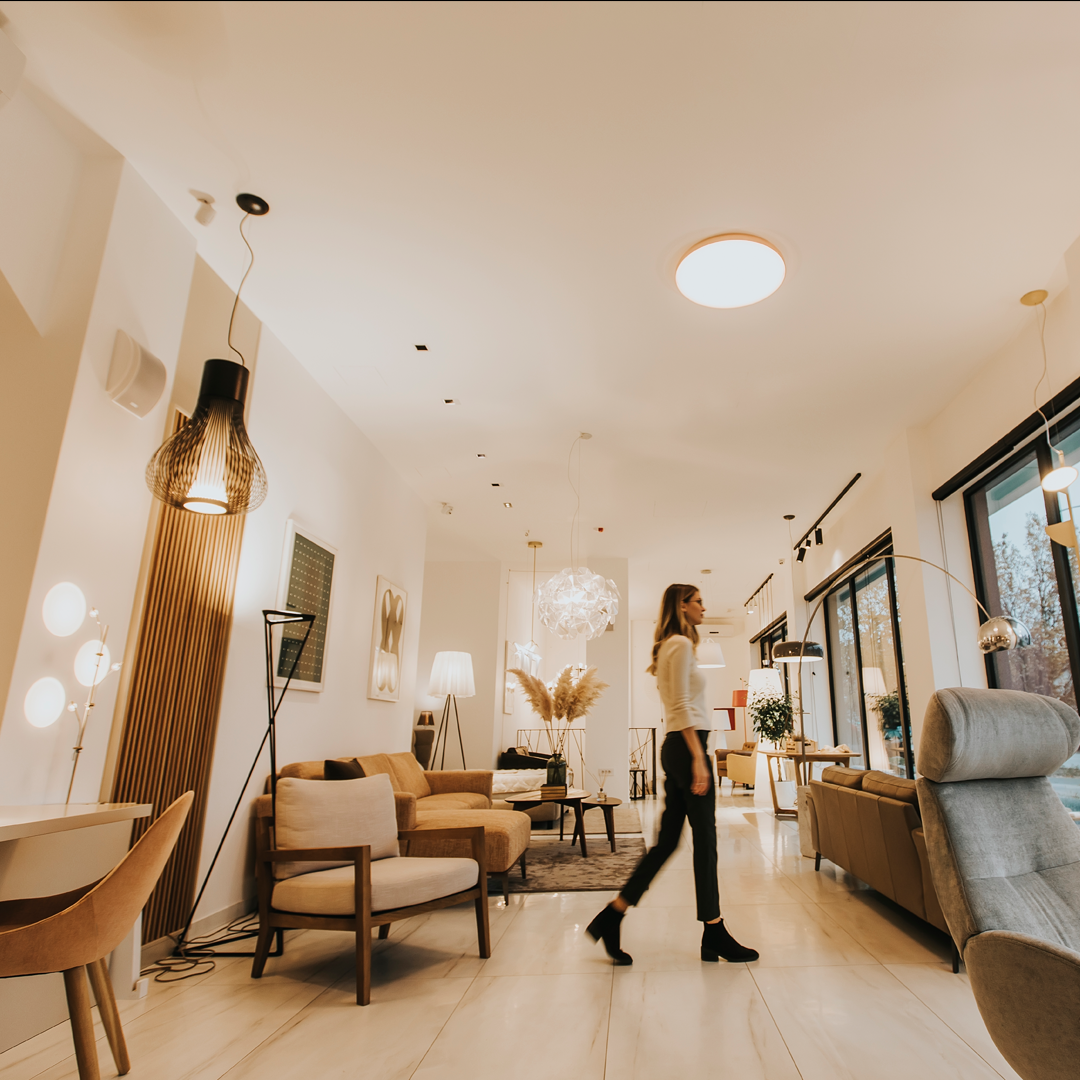
Walk through any new custom home in Silverleaf, DC Ranch, or up near Fountain Hills and you’ll notice something immediately. The lighting doesn’t announce itself. No harsh overhead grids making everyone look exhausted. No builder-grade recessed lights every three feet like you’re in a Target. Instead, you’re seeing fixtures that look like sculpture, warm light that actually makes desert stone and wood beams look the way they should, and control systems that let you shift the entire mood of a room without getting up.
This isn’t about showing off. It’s about understanding that when you’re spending this much on a home, the lighting should make the architecture, the finishes, and the views work together instead of fighting each other.
The trend in these areas is layered lighting, which means multiple light sources doing different jobs instead of one type of fixture trying to do everything.
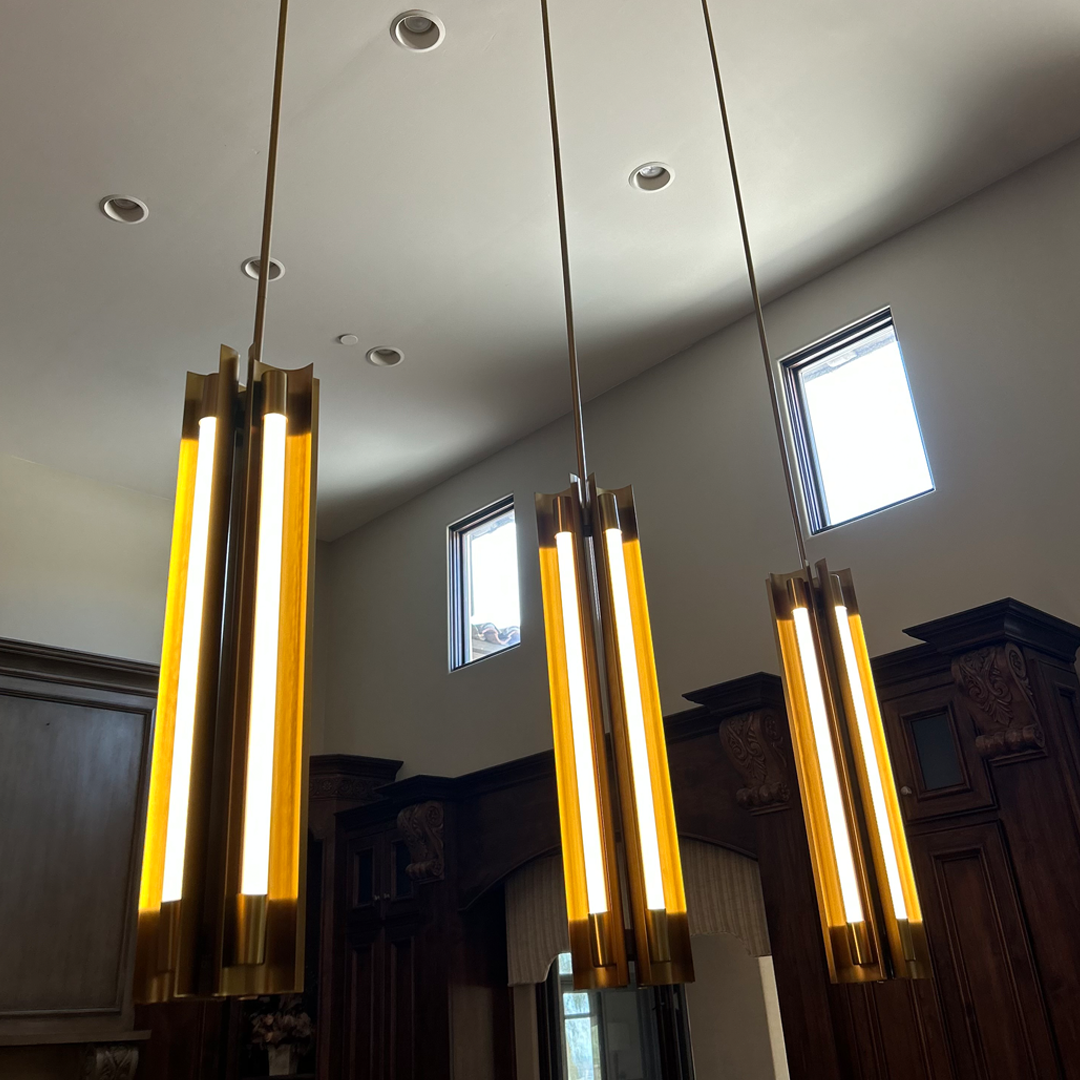
In great rooms with 14-foot ceilings, you’re seeing maybe four to six recessed lights total, not 20. The real work is being done by wall sconces that graze the stone, a statement chandelier or pendant cluster that draws your eye up, and table lamps or floor lamps that create pools of warm light where people actually sit. Kitchens are getting the same treatment. Fewer overhead cans, more focus on under-cabinet LED strips with actual diffusers so you’re not seeing individual diodes, and pendants over the island that feel like jewelry. The color temperature that’s winning right now is 2700K to 3000K, which is that soft, warm white that makes skin tones look natural and doesn’t feel clinical. If your house still has those blue-white LEDs from 2015, you’re living in a dentist’s office and everyone knows it.
The other piece that’s huge in these neighborhoods is smart control, but it’s not app-based bulbs in every socket. It’s whole-home systems like Lutron RadioRA that give you actual scenes. You walk in the front door and hit “Home,” and the entry, hallway, kitchen, and great room all come on at the right levels. You hit “Entertain” and the overhead dims, the sconces come up, and the outdoor patio lighting kicks on. You hit “Away” and everything shuts down except for a few security lights on timers. It’s not gimmicky. It’s the kind of thing that once you have it, you can’t imagine going back.
For outdoor spaces, permanent LED systems like Trimlight, Oelo, or Gemstone are everywhere. These aren’t Christmas lights you take down in January. They’re low-profile tracks installed along the roofline that can do white light, colored light, or anything in between, all controlled from your phone. The install runs anywhere from $3,000 to $8,000 depending on the size of your home, but you’re getting a system rated for 100,000 hours, which is 30-plus years. No more ladders, no more tangled strands in the garage, and you can run red and green for Christmas, orange for Halloween, pastels for Easter, or just warm white the rest of the year. The ROI isn’t financial, it’s time and hassle, but for homes in this price range, that’s the real currency anyway.
Ahwatukee, Chandler, and Gilbert: Where Smart Upgrades Pay Off Without Tearing the House Apart
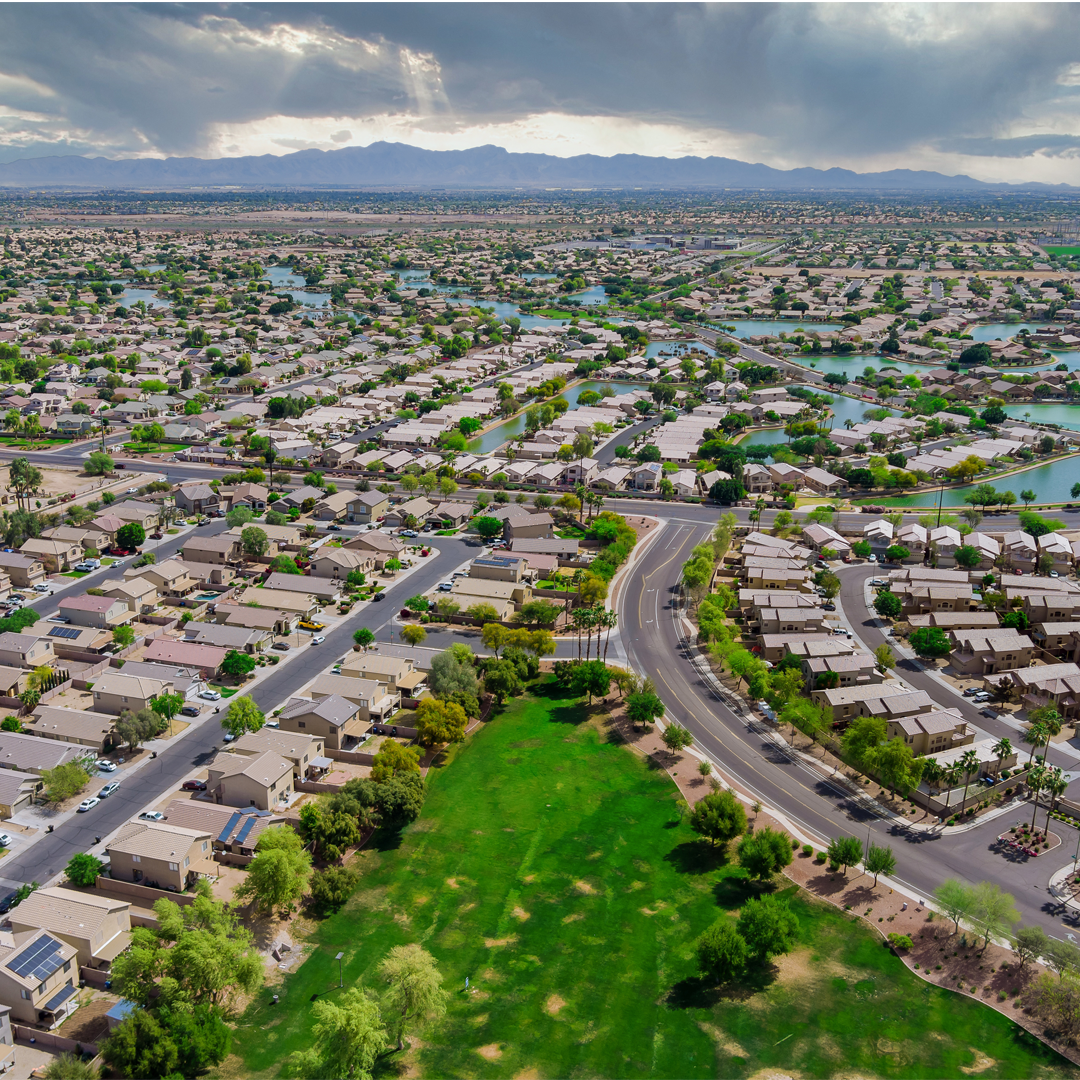
If you’re in Ahwatukee Foothills, anywhere in Chandler from Ocotillo to downtown, or over in Gilbert from Agritopia to San Tan Ranch, you’re probably in a home built somewhere between 1995 and 2015. That means you’ve got decent bones, but the lighting is almost guaranteed to be underwhelming. Too many recessed lights, not enough personality, and probably a mix of bulb types that make different rooms feel totally disconnected from each other.
The easiest money you’ll spend in 2026 is replacing every bulb in your house with quality LEDs in the same color temperature. Pick 2700K or 3000K and stick with it everywhere. That alone makes your home feel more cohesive and comfortable. You’re looking at maybe $150 to $300 depending on how many fixtures you’ve got, and your energy bill drops immediately.
LEDs use about 75% less power than the incandescent or halogen bulbs most of these homes originally had, and in Arizona where your AC is fighting every bit of heat those old bulbs put out, the savings show up fast.
Kitchens in these homes are usually the biggest lighting disaster. If you’ve still got fluorescent tubes under the cabinets or nothing at all, adding LED strip lighting with a proper diffuser changes the entire feel of the room. You’re talking $200 to $500 installed depending on how much cabinet run you’ve got, and suddenly you can actually see what you’re chopping without shadows everywhere. While you’re at it, if you’ve got builder-grade pendant lights over the island, swapping those out for something with a little more style makes a bigger visual impact than most people expect. You don’t need to spend $1,000 per pendant. A $200 to $400 fixture that actually fits the scale of your island and has warm, diffused light is going to look infinitely better than whatever Lowe’s special got hung there in 2008.
Bathrooms are where a lot of these homes fall apart at night. If you’ve got recessed lights directly over the mirror, you’re getting shadows under your eyes and on your face that make everyone look like they didn’t sleep. The fix is adding vertical sconces on either side of the mirror. It’s not a huge project, especially if you’re already doing other electrical work, and the difference is immediate. Vanity lighting is one of those things where you didn’t know how bad it was until you fix it, and then you wonder why you waited so long.
For outdoor spaces, you don’t need a $6,000 permanent LED system to make your patio usable at night. Good quality low-voltage LED landscape lighting that highlights your pavers, steps, or that saguaro you’re proud of runs $1,500 to $3,500 depending on how much you’re lighting and whether you’re adding smart controls. The key is keeping it warm, around 2700K to 3000K, and making sure the fixtures are shielded and downward-facing so you’re not blasting light into your neighbor’s bedroom window or violating dark sky guidelines.
Smart switches are more practical than smart bulbs for most people in these neighborhoods. A Lutron Caseta dimmer switch runs about $60 to $80 per location, and you can control it from your phone, set schedules, and tie it into Alexa or Google Home if that’s your thing. Put them in the most-used rooms first: kitchen, primary bedroom, living room, and maybe the patio. That gives you flexibility without replacing every bulb in the house with $15 smart LEDs that half the time lose connection and need to be reset.
Mesa, Tempe, and Central Phoenix: Getting the Most From What You’ve Already Got
If you’re in Mesa, Tempe, or anywhere in central Phoenix from Arcadia down to South Mountain, chances are your home’s lighting hasn’t been touched since it was built unless something broke. These areas have everything from 1950s ranch homes to 1980s stucco boxes to newer infill, and the common thread is that lighting is almost always an afterthought until something goes wrong.
The number one upgrade that makes sense here is LED bulbs, period. If you’re still running incandescent or CFL bulbs, you’re throwing money away every month and making your AC work harder. A basic LED bulb that’ll last 15 to 20 years runs $2 to $5. Multiply that by however many fixtures you’ve got, and you’re probably looking at under $100 to do the whole house. Your electric bill drops noticeably, especially in summer when every degree matters. That’s not sexy, but it’s real money back in your pocket every single month.
For outdoor security lighting, motion-sensor LED fixtures are the move. You’re not trying to light up the whole street, you just want enough light to see who’s at the door or what’s moving around the side yard. A good motion-sensing LED fixture runs $40 to $100, and you can install it yourself if you’re even a little bit handy. The trick is aiming it correctly and adjusting the sensitivity so it’s not turning on every time a palm frond blows by. Keep the color temperature around 3000K so it’s not that harsh, cold white that makes your house look like a gas station.
Inside, if your kitchen or bathroom feels dim or just off, check what’s actually in the fixtures before you start ripping things out. A lot of older homes have mismatched bulbs, some LED, some CFL, some incandescent, all different color temperatures. Getting everything on the same page makes a surprising difference. If you’ve got old fluorescent fixtures in the kitchen or garage that are flickering or just making that awful buzzing sound, replacing them with LED shop lights or flush-mount LED fixtures is cheap and effective. You’re looking at $30 to $80 per fixture depending on size and quality, and the install is usually pretty straightforward.
Smart lighting in these homes doesn’t need to be complicated. If you want to control a few key lights from your phone or set them on timers for when you’re out of town, start with smart plugs for lamps and a couple of smart switches for overhead lights. You can get into basic smart lighting for under $150 total, and it gives you enough control to feel modern without needing to rewire the house.
The big thing to avoid is falling into the trap of thinking you need to gut everything to make it better. Most homes in these areas just need thoughtful upgrades to what’s already there. New bulbs, better fixtures where it matters most, and maybe a smart switch or two. That gets you 80% of the way to a house that feels current without spending thousands of dollars you don’t need to spend.
Surprise, Peoria, Avondale, and Goodyear: Making Sense of New Construction Lighting (And What to Upgrade Later)
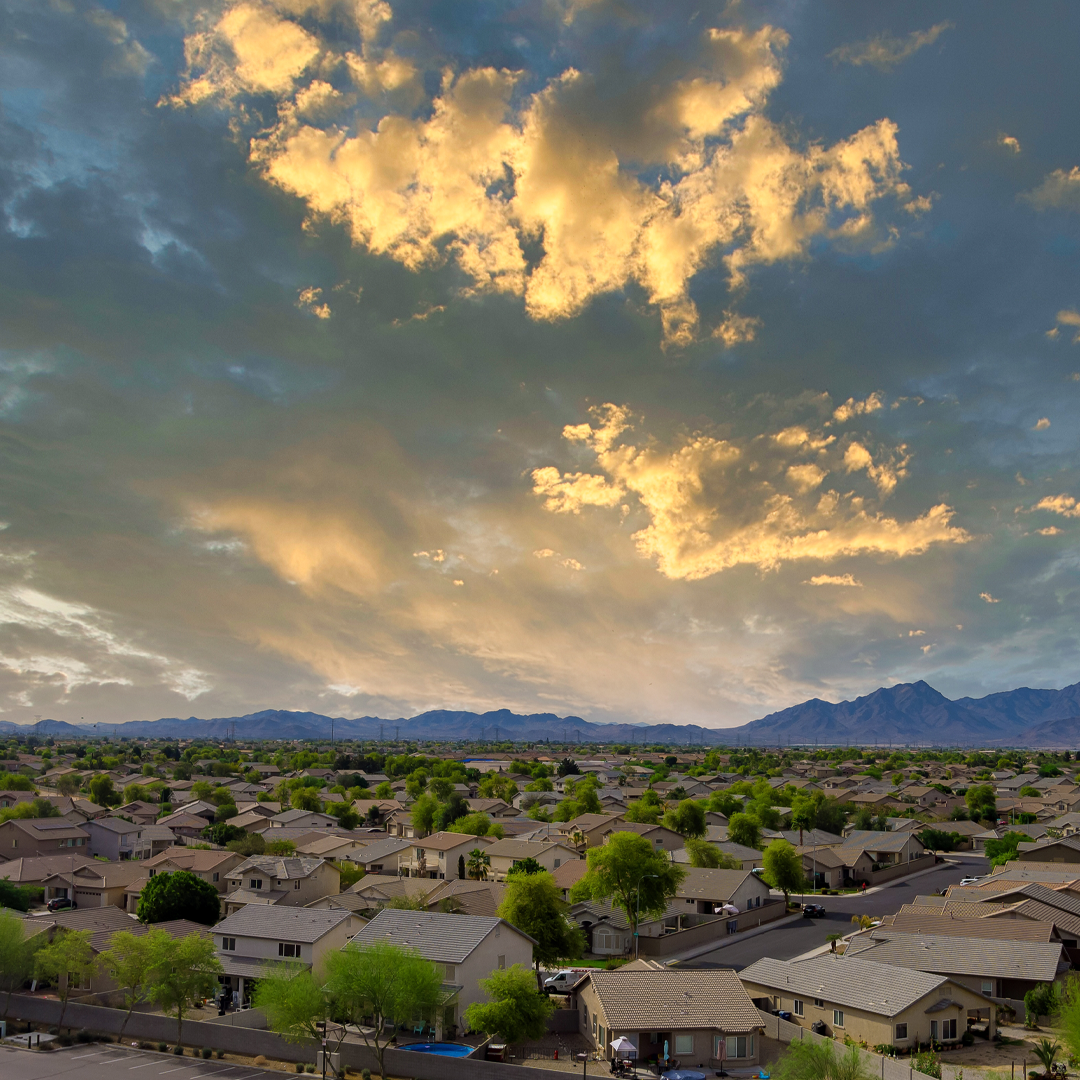
If you’re buying new construction in Surprise, Peoria, Avondale, Goodyear, or out in Buckeye, the lighting situation is both better and worse than it used to be. Better because every new home is getting LED lighting standard. Worse because builders are using the absolute cheapest wafer-style recessed lights they can find, and they’re putting them everywhere. The result is a house that technically has modern lighting but feels flat, harsh, and boring.
Builders are smart about the upgrades they offer. They’ll hit you with lighting packages at the design center that sound great but might not actually be worth the money. A $2,500 upgrade to add pendants over the kitchen island? That same pendant probably costs $300 retail, and an electrician can add it later for $200 in labor. You’re paying a 400% markup for the convenience of having it done before you move in.
Sometimes that’s worth it if you’re financing it into the mortgage and don’t want to deal with it later. A lot of times it’s not.
The three lighting upgrades that are actually worth paying for at closing: extra switched outlets in the great room and primary bedroom so you can control lamps from wall switches, under-cabinet lighting in the kitchen with a proper dimmer, and prewiring for outdoor landscape lighting even if you’re not installing the fixtures yet. These are things that are way easier and cheaper to do during construction than trying to add them later when the drywall is up and the stucco is on.
What you can skip and add later without regret: decorative fixtures in bedrooms and hallways, ceiling fan upgrades in secondary bedrooms, and most of the builder’s “smart home package” if it’s just a few smart switches at a massive markup. You can add those yourself for a fraction of the cost once you move in.
One thing to push back on during the walkthrough: if every room has six or eight recessed lights and nothing else, ask about reducing the count and adding switched outlets for lamps instead. Most builders won’t fight you on it because it’s actually cheaper for them. Fewer lights means fewer fixtures to buy and install. You end up with a home that has better, more flexible lighting, and you saved money in the process.
For outdoor lighting, most new builds in these areas come with basic soffit lights by the front door and garage and maybe one or two on the back patio. That’s it. If you want landscape lighting to highlight your desert plants or path lighting so you can see where you’re walking after dark, that’s on you. The good news is that low-voltage LED landscape lighting has gotten way more DIY-friendly. Kits start around $300 for basic path lights, or you can hire it out for $1,500 to $3,000 depending on the size of your yard and how elaborate you want to get.
The biggest mistake people make with new construction lighting is assuming it’s “done” because it’s new. It’s not done, it’s just basic. The bones are there, but making it feel like your home instead of a model home takes a few targeted upgrades once you’re moved in and know how you actually use the space.
Dark Sky Rules in Maricopa County (And Why Your Outdoor Lights Might Be Illegal)
Here’s something most people don’t realize until a neighbor complains or they get a notice from the HOA. Maricopa County has outdoor lighting rules, and depending on where you live, they can be pretty strict. The basic idea is simple: outdoor lights need to be shielded and aimed downward so they’re not spilling light up into the sky or across property lines. This isn’t just feel-good environmental stuff. Arizona has some of the best astronomy sites in the country, and light pollution is a legitimate problem that affects research and ruins the night sky for everyone.
The specifics vary depending on whether you’re in an incorporated city or unincorporated county, but the general rule is that outdoor fixtures need to be fully shielded, meaning you shouldn’t be able to see the bulb from any angle, and the light needs to be directed down, not up or sideways.
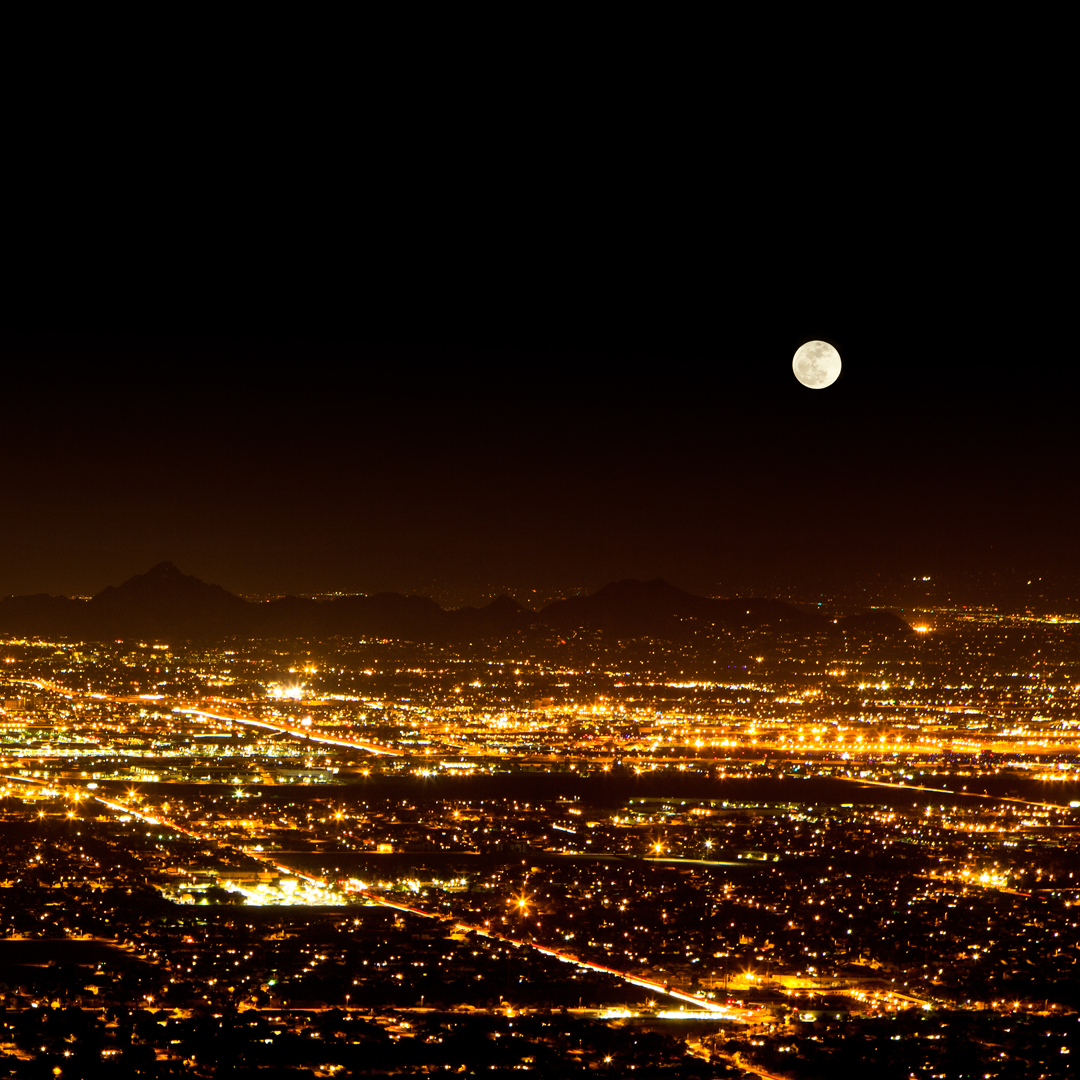
This rules out a lot of those cheap floodlights you see at Home Depot that blast light in every direction. It also means if you’re adding landscape lighting, wall sconces, or anything else outside, you need to be paying attention to the fixtures you’re choosing.
In Scottsdale, the design guidelines are particularly detailed. They want full cut-off fixtures, they want you to avoid glare, and they strongly encourage automatic controls like timers or motion sensors so lights aren’t just burning all night. Other cities in the county have similar expectations even if they’re not spelled out as explicitly. The point is, if you’re doing any outdoor lighting work, it’s worth checking what the actual rules are for your city before you buy fixtures or hire someone to install them.
The good news is that the fixtures that comply with dark sky rules also tend to be better fixtures. Fully shielded, downward-facing lights give you better visibility where you need it without blinding people or washing out into space where it’s useless. Warm color temperatures, usually 3000K or below, are easier on the eyes and create less glare than the cooler white LEDs. And smart controls that let you dim lights after a certain time or turn them off completely when nobody’s outside make sense both for compliance and for not annoying your neighbors.
If you’ve already got outdoor lighting that’s problematic, whether it’s too bright, aimed badly, or just ugly, retrofitting is usually pretty straightforward. Swap the fixtures for shielded, downward-facing LEDs, add a timer or dimmer if you don’t have one, and make sure you’re using warm white bulbs. That gets you legal, gets you better-looking light, and usually cuts your energy use at the same time.
The worst-case scenario is ignoring it and ending up in a dispute with neighbors or the city. It’s not common, but it happens, and fixing it after the fact is more expensive and more annoying than just doing it right in the first place. If you’re not sure whether your lights are compliant, State Electrical Contractors can assess what you’ve got and recommend changes that make sense without tearing everything out.

What Lighting Upgrades Actually Cost in Maricopa County (And What You Get for Your Money)
One of the most common questions people have is what it actually costs to improve their lighting, and the answer is all over the map depending on what you’re doing and who’s doing it. Here’s the reality: you can spend $100 and make a noticeable difference, or you can spend $50,000 and completely transform your home’s lighting. Most people land somewhere in between, and the key is knowing where your money makes the biggest impact.
Swapping out old bulbs for quality LEDs is the cheapest upgrade you can make, and it pays for itself in energy savings within a year or two. You’re looking at $2 to $5 per bulb depending on the type and quality. For a typical house with 40 to 60 bulbs, that’s $100 to $300 total, and you’re done. Your house feels more cohesive, your energy bill drops, and you’re not replacing bulbs every few months.
Adding under-cabinet lighting in the kitchen runs $200 to $500 for materials and labor if you’re hiring an electrician. It’s one of those upgrades that makes a way bigger difference than the price tag suggests. Same with adding dimmer switches. A quality dimmer switch costs $40 to $80, and installation is usually $75 to $150 per switch depending on what’s already there. If you do three or four key locations, you’re in for $500 to $800, and you’ve added real flexibility to how your home feels at different times of day.
Replacing light fixtures is where costs start to vary a lot based on what you’re buying. A decent pendant light for over a kitchen island runs anywhere from $150 to $600 depending on size and style. Installation is usually $100 to $200 per fixture. If you’re replacing a chandelier in a dining room or entryway with something more modern, the fixture itself might be $300 to $1,500, and installation could be $150 to $400 depending on the height and complexity. It’s not cheap, but it’s also not insane, and it makes a huge visual impact.
Outdoor landscape lighting depends entirely on how much you’re lighting and whether you’re going low-voltage LED or line-voltage. A basic path lighting setup with six to eight fixtures runs $800 to $1,500 installed. A more comprehensive system that lights your driveway, walkways, plants, and architectural features might be $2,500 to $5,000. If you’re adding smart controls so you can adjust everything from your phone, add another $500 to $1,000 depending on the system.
Permanent outdoor LED systems like Trimlight or Oelo are the biggest single investment most people make. For a typical single-story home in the 2,000 to 2,500 square foot range, you’re looking at $3,500 to $5,500 installed. Larger homes, two-story homes, or homes with complex rooflines can run $6,000 to $10,000. It’s a lot upfront, but the system is rated for 30-plus years, you never deal with holiday lights again, and you can use it year-round for whatever lighting you want. For some people, that math works. For others, it doesn’t, and that’s fine.
Whole-home smart lighting systems like Lutron RadioRA 3 or Control4 are the high end. You’re looking at $5,000 to $15,000 depending on the size of your home and how many zones and scenes you want. These systems give you centralized control of every light in your house, plus integration with shades, thermostats, and other smart home gear. It’s not for everyone, but if you’re doing a major remodel or building custom, it’s worth considering.
The most important thing is being honest about what you actually need versus what sounds cool. A lot of people spend money on upgrades that don’t match how they use their home, and it ends up being wasted. If you never use your dining room, don’t drop $2,000 on a chandelier. If you’re outside on the patio five nights a week, invest in making that space comfortable and well-lit. If you’re constantly dimming lights or wishing you could control them from your phone, smart switches make sense. If you barely think about your lights once they’re on, save your money.
Why the Wrong Lighting Costs You More Than You Think
Bad lighting doesn’t just look bad. It costs you money, makes your home less comfortable, and creates problems you might not even connect back to the lights. If your kitchen feels dim and you’re constantly turning on every light in the room just to see what you’re doing, you’re burning more energy than you need to. If your outdoor lights are aimed wrong or too bright, you’re lighting up the neighbor’s yard and wasting electricity on light that’s not doing you any good.
Old incandescent and halogen bulbs don’t just use more electricity, they also put out a ton of heat. In a place where your AC is running eight months a year, every bit of heat matters. Switching to LEDs cuts the wattage by 75% or more, and it also cuts the heat load. That means your AC doesn’t have to work as hard, and your cooling costs drop. It’s not dramatic, but over the course of a summer, it adds up.
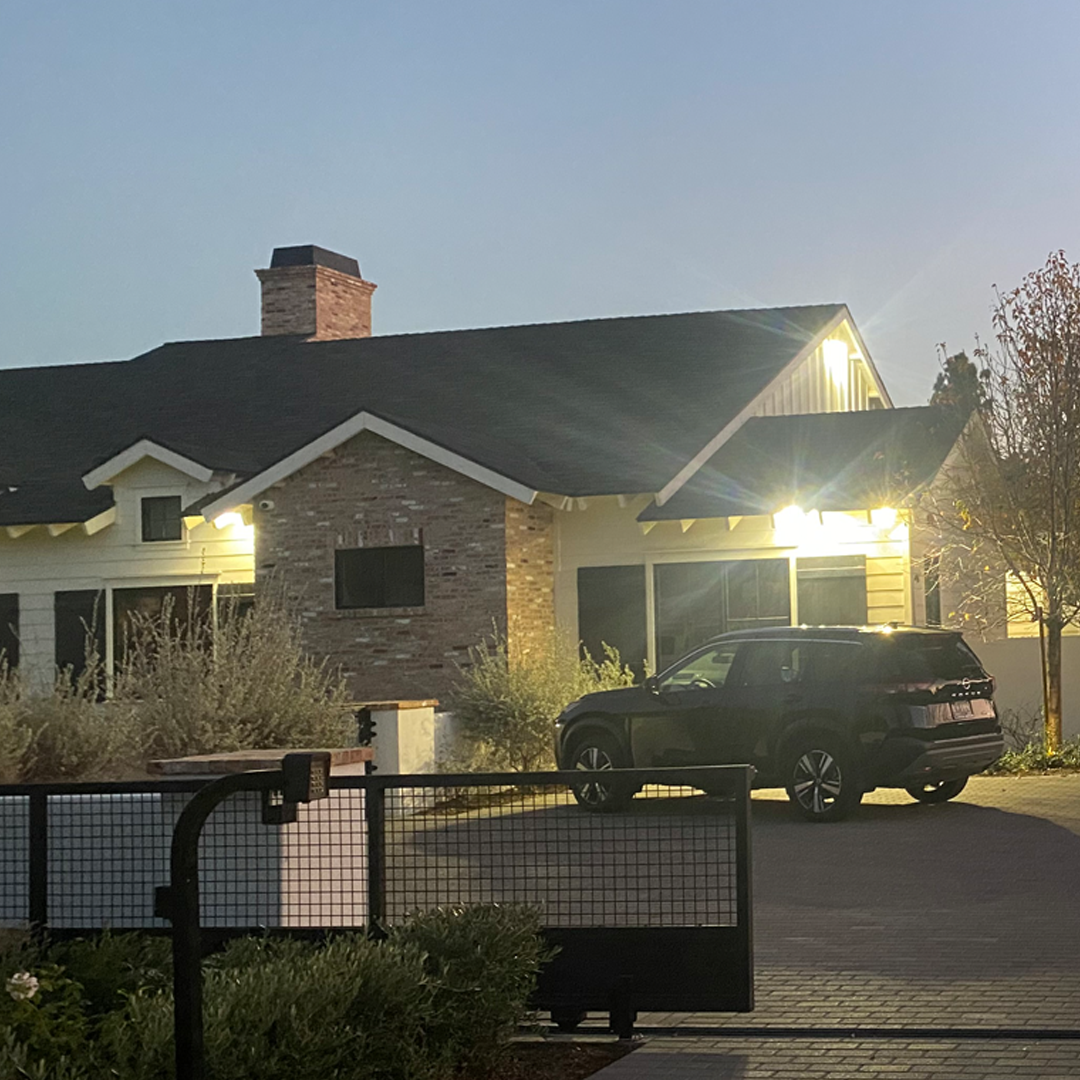
Poorly designed lighting also affects how you feel in your home. If every room is lit with harsh, cool-white overhead lights, it’s going to feel clinical and uncomfortable. You’re not going to want to hang out there. If your outdoor lighting is too bright or too glaring, you’re not going to use your patio even though that’s one of the best parts of living in Arizona. Good lighting makes spaces feel inviting and functional. Bad lighting makes them feel like places you’re just passing through.
And then there’s the stuff that’s just annoying. If you’re climbing a ladder twice a year to string and unstring holiday lights, that’s time and hassle you’re never getting back. If you’ve got motion lights that are too sensitive and turn on every time the wind blows, you’re either dealing with constant false alarms or turning them off and losing the security benefit. If your fixtures are cheap and falling apart after two years in the Arizona sun, you’re replacing them way more often than you should be.
The point is, lighting is one of those things where spending a little bit of money in the right places saves you money, time, and frustration down the road. It’s not about having the fanciest fixtures or the most expensive system. It’s about having lighting that works the way you need it to, doesn’t waste energy, and makes your home feel the way you want it to feel.
FAQs: Lighting Questions Maricopa County Homeowners Actually Ask
01 Circuit Panel Installation
New panel installations, full replacements
Complete Panel Replacement & New Installation Description: Upgrading from an outdated 100-amp fuse box? Building an addition? We handle full panel replacements and new installations that meet 2024 NEC codes. Arizona’s extreme heat demands panels built to last.
02 Sub Panel Installation
Expand Your Power with Sub Panel Solutions
Add power where you need it with clean, code-compliant sub panels for garages, additions, and outdoor spadding a workshop, pool equipment, or converting your garage? Sub panels distribute power exactly where you need it without overloading your main system. Perfect for Maricopa County home additions and outdoor spaces.ces.
