

Getting a New Panel Isn’t Just About More Power (Though That Helps)
Circuit Panel Installation & Replacement for Phoenix Area Homes
You know your panel needs work when the kitchen lights dim every time the AC kicks on, or when you’re standing there flipping the same breaker for the third time this week wondering if this is just how houses work now. Spoiler: it’s not.
Electrical Panel Installation and Upgrade Services
Most homeowners in Maricopa County hit this wall the same way. Maybe you bought a house in Chandler with a panel from 1987 and a home inspector who used words like “serviceable” and “functional for now.” Maybe you’re in Scottsdale adding a pool and your electrician broke the news that your 100-amp panel isn’t going to cut it.
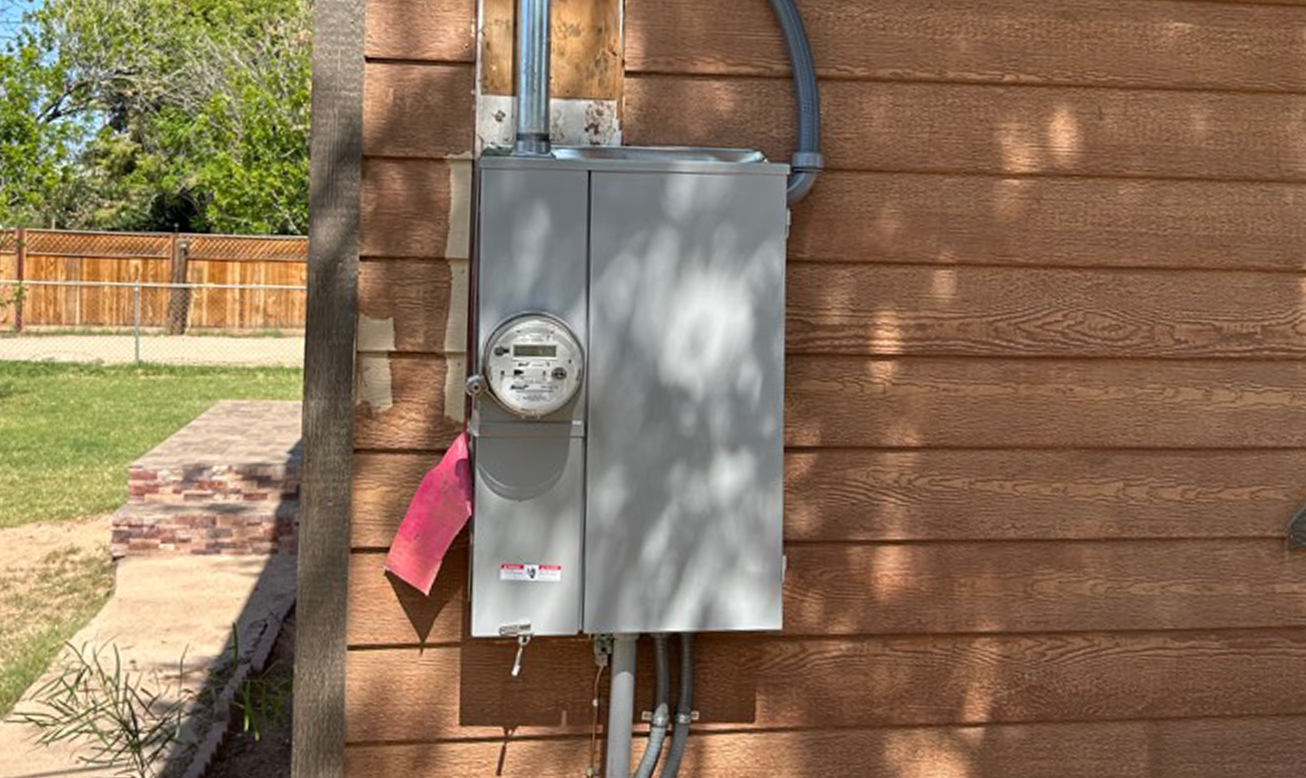
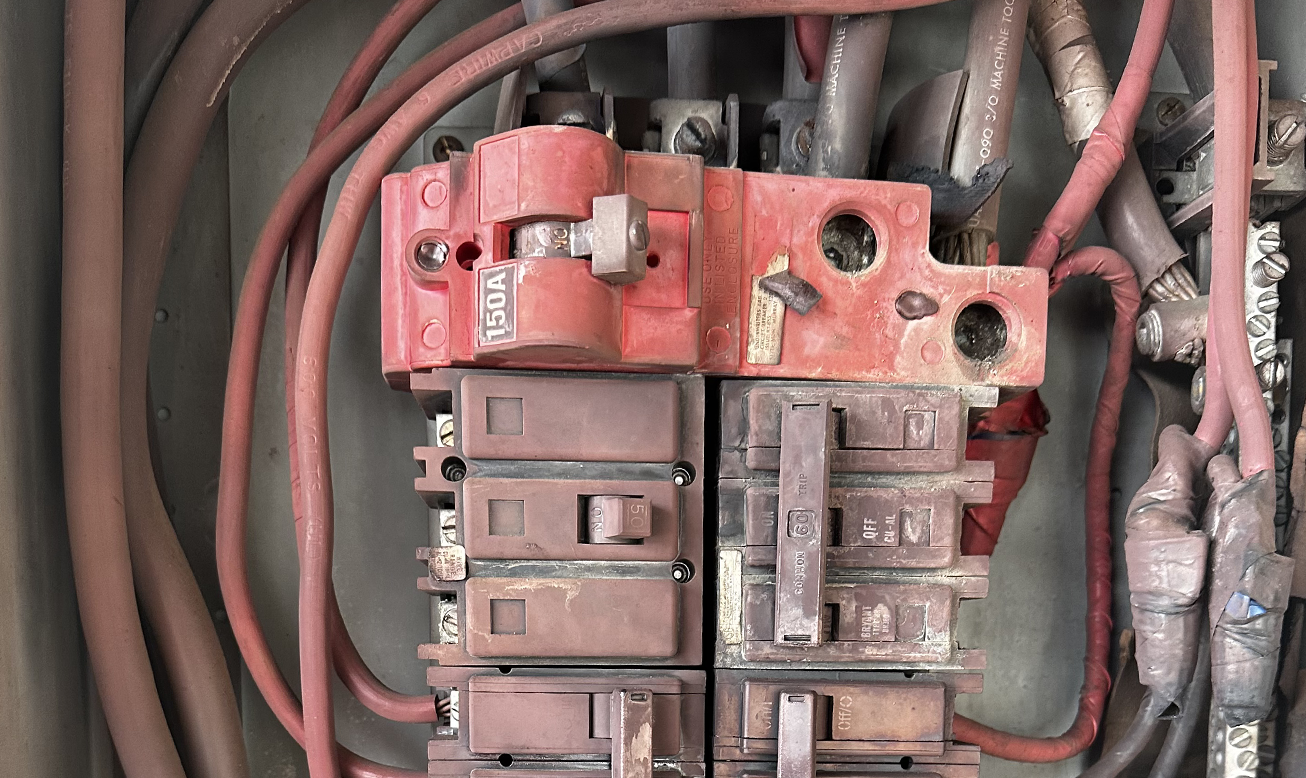
Or maybe you’re in Mesa dealing with one of those Federal Pacific panels everyone suddenly wants to talk about, and not in a good way. Here’s what matters: Arizona doesn’t mess around with electrical systems. When it’s 118 degrees and your panel is baking on the side of your house in direct sun, every weak connection, every outdated breaker, every shortcut from 1983 becomes a problem. Panels that might limp along fine in Minneapolis will absolutely give up in Gilbert during monsoon season when the grid is doing its usual power surge dance.
The real question isn’t whether you need a new panel. If you’re reading this, you probably already know the answer. The question is what you actually need versus what someone’s going to try to sell you, and how to get it done without turning your house into a job site for three weeks.
When a Panel Replacement Actually Makes Sense (And When It Doesn’t)
Let’s start with the scenarios that matter. You’re not replacing your panel because it looks old or because some contractor said you should during a free estimate for something else entirely. You’re replacing it because something’s actually wrong, or because you’re trying to do something your current setup can’t handle.
The Federal Pacific and Zinsco situation is real. If you’ve got either of these brands, you’re not being paranoid, and your insurance company isn’t being dramatic. Federal Pacific made panels from the 1950s through the 1980s with breakers that have a documented failure rate around 25%. That means one in four breakers won’t trip when they’re supposed to. When a breaker doesn’t trip during an overload, the circuit just keeps pulling current until something melts. That’s not a maybe fire hazard, that’s a legitimate risk that fire investigators find in burned houses.
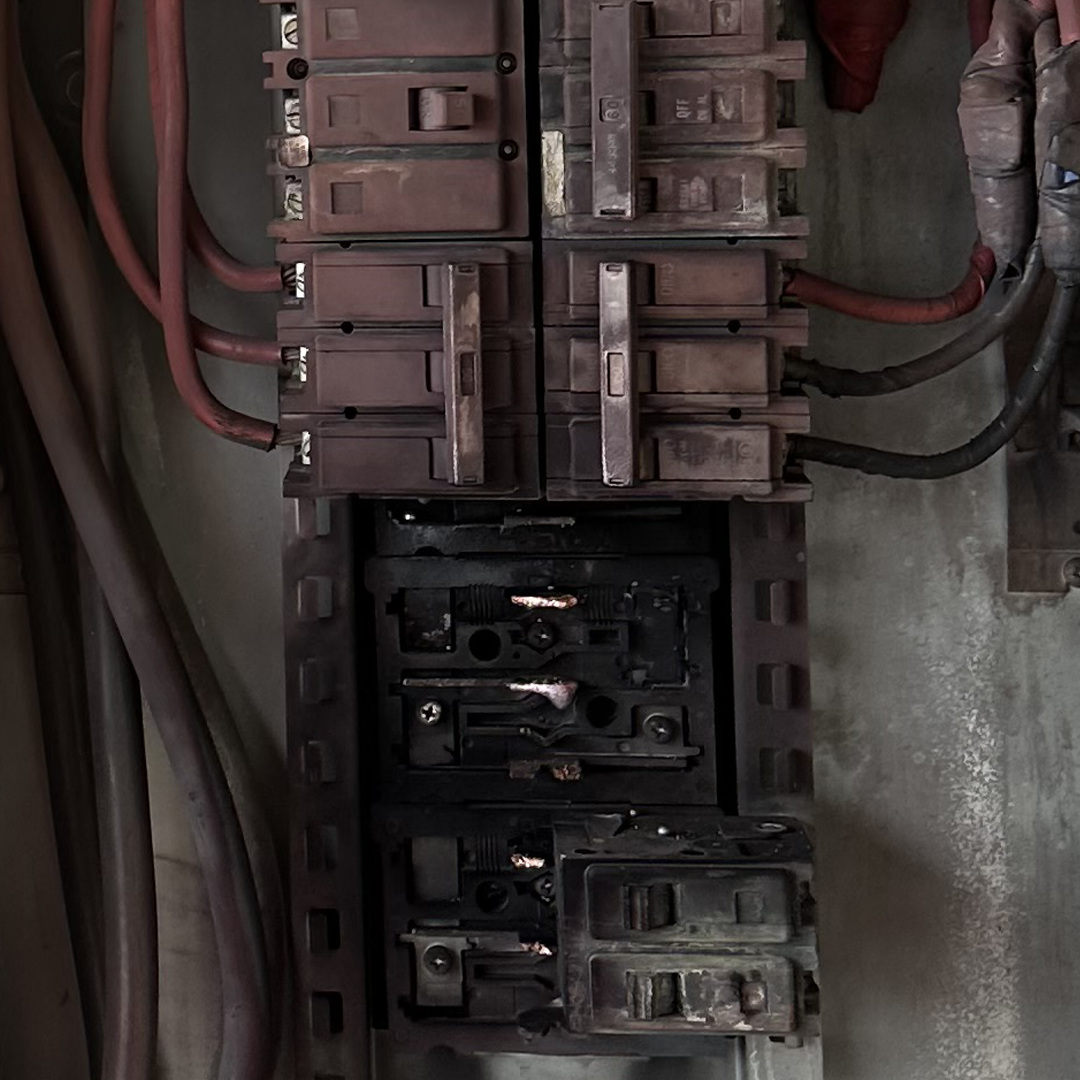
Zinsco panels have a similar issue where the bus bars behind the breakers corrode and overheat without tripping the breaker. Sometimes the breaker looks like it’s off but it’s still energized. That’s how people get hurt doing what should be safe electrical work.
If you’re in an older neighborhood in Phoenix, Tempe, or Mesa, there’s a decent chance your house has one of these panels. Most were installed in tract housing during the building boom from the 60s through the 80s. They weren’t terrible products when they were new. The problem is they’re not new anymore, and the failure rate gets worse as they age. Insurance companies are starting to decline coverage or jack up rates for houses with these panels because they know the risk. Replacing a Federal Pacific or Zinsco panel isn’t optional maintenance, it’s fixing a known hazard.
The 100-amp limitation is the other big driver. Houses built before 1990 typically have 100-amp service, which was fine when you had one AC unit, a regular oven, a water heater, and not much else. Add a second AC unit for upstairs, a pool with a pump and heater, maybe an EV charger in the garage, and suddenly you’re pulling 140 amps on a system rated for 100. The math doesn’t work. Your panel isn’t broken, it’s just undersized for how you actually live now.
Here’s how this plays out in real life. You’re in Ahwatukee, house built in 1988, original 100-amp panel. Two AC units because your house is two stories and one unit can’t keep up when it’s 115 outside. You added a pool three years ago. Now you’re looking at an EV and your electrician is telling you the panel can’t take another major load. He’s not wrong. Two AC units at full load pull 60-70 amps combined. Pool equipment adds another 20-30 amps depending on what you’re running. An EV charger wants 40-50 amps. That’s 120-150 amps of demand on a 100-amp service. Something’s going to give, and usually it’s the main breaker, which trips and kills power to your whole house at the worst possible time.
Now let’s talk about when you don’t need a full panel replacement. If your panel is relatively modern, you’ve got physical space for more breakers, and you’re just adding a few circuits for a workshop or a home office, you might be fine adding circuits to your existing panel or installing a sub panel. A sub panel is a smaller panel that branches off your main panel and feeds a specific area, like a detached garage or a casita. Sub panels make sense when your main panel has the capacity but not the physical space, or when running individual circuits all the way from the main panel would be expensive and impractical.
But here’s the catch: if your main panel is already struggling with the load you have, adding a sub panel doesn’t solve anything. It’s like adding another faucet when your water pressure is already low. You’re just spreading the same problem around. An honest electrician will tell you when a sub panel works and when you actually need to upgrade the main panel. A less honest electrician will sell you whatever you’ll pay for, and you won’t figure out it was the wrong call until you’re still tripping breakers six months later.
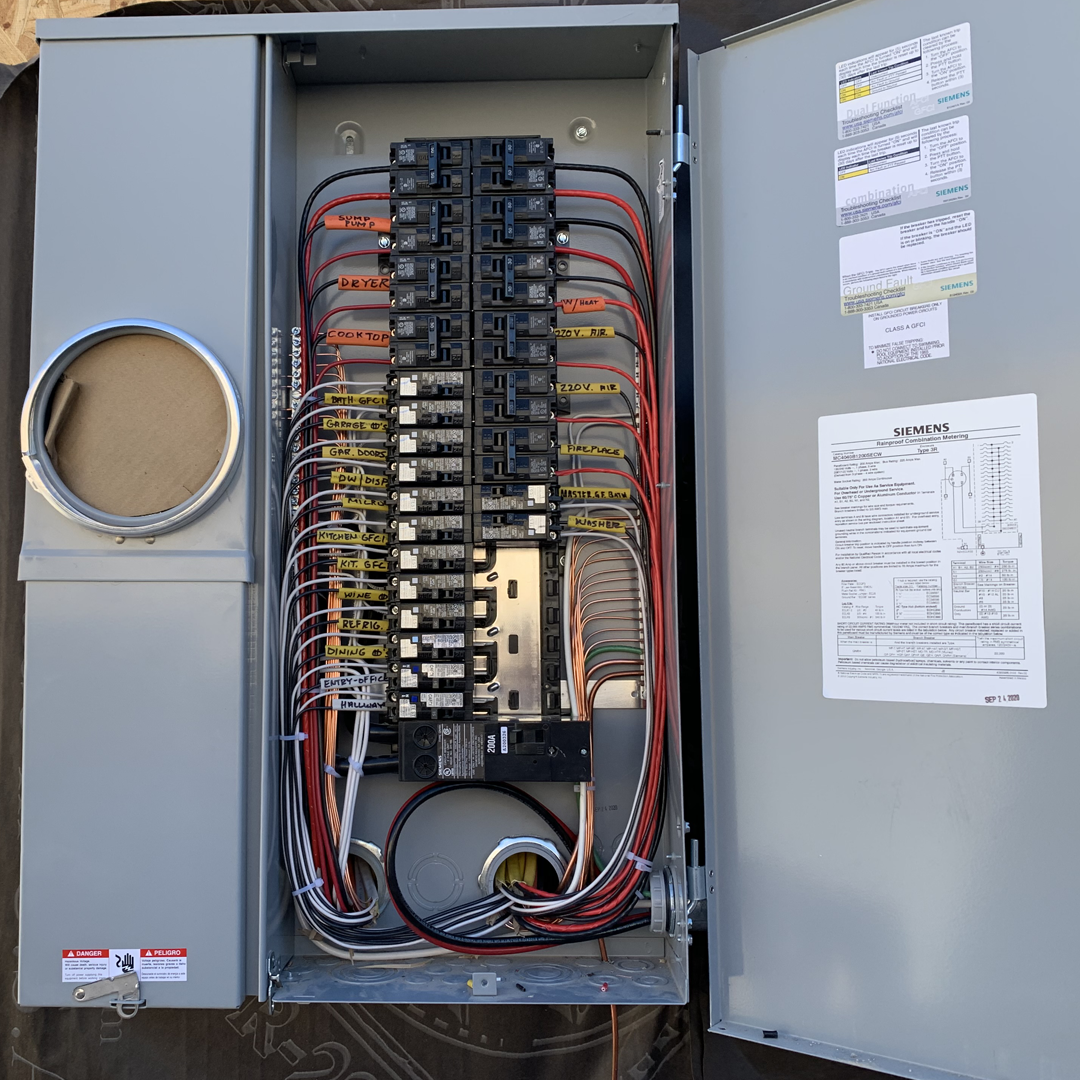
What You’re Really Getting: 200-Amp Service That Handles Phoenix Living
When we talk about upgrading to 200-amp service, we’re talking about doubling your electrical capacity. That sounds like overkill until you add up what actually plugs into a modern house in Arizona. Two AC units running simultaneously pull 60-70 amps. Electric range and oven together can pull 50 amps. Electric water heater pulls another 20-30 amps. Pool equipment, especially if you’ve got a heater, adds 20-40 amps. EV charger wants 40-50 amps. Now add your refrigerator, washing machine, dryer, computers, TVs, and everything else people actually use, and you’re easily pushing past 150 amps of total possible demand.
The National Electrical Code doesn’t require you to size your panel for every single circuit running at full capacity at the exact same time, because that never happens. But they do require load calculations that account for what could realistically run together, and in Arizona, that means assuming both AC units could be maxed out while you’re cooking dinner and your EV is charging. That’s not a rare scenario. That’s a Tuesday in July.
Two hundred amps gives you headroom. It means you’re not constantly managing what you can run at the same time. It means when your neighbor’s kid plugs in a borrowed heat gun in your garage while you’re making dinner and both ACs are cranking, nothing trips. It means you can add that second EV charger in five years without stressing about capacity. And it means your system isn’t constantly operating near its limits, which is how panels and breakers fail early.
Let’s talk about why your panel lives outside. In most of the country, electrical panels are inside the house, usually in a utility room or basement. In Arizona, they’re almost always mounted on an exterior wall, typically near your meter. This isn’t random. It’s about heat management, safety, and utility access. When it’s 118 degrees outside, your panel can hit 140-150 degrees in direct sun. That’s brutal on electrical components, but it’s still better than putting that heat inside your house where it has nowhere to go. Indoor panels in Arizona homes without good ventilation can hit even higher temperatures, and that heat accelerates the breakdown of insulation, connections, and breakers.
Exterior placement also means firefighters and utility workers can access your panel without entering your house. In an electrical emergency, that matters. And it means SRP or APS can read your meter, work on your service, or disconnect power for non-payment without dealing with locked doors or getting permission to enter. From the utility company’s perspective, exterior panels are easier to maintain and manage. From a homeowner’s perspective, it means one less thing inside your house that could cause a fire.
Modern panels installed in Arizona use weatherproof enclosures rated for outdoor use. They’re designed to handle UV exposure, dust, and the occasional monsoon. The breakers inside are rated for higher operating temperatures than breakers designed for indoor use. The bus bars are heavier gauge to handle the heat without losing conductivity. Everything about a properly installed outdoor panel in Arizona is built around the reality that it’s going to spend 20 years baking in the sun and getting blasted by dust storms.
The Arizona-Specific Stuff That Actually Matters
The 2024 National Electrical Code brought some changes that hit Arizona installations harder than other places. Arc-fault circuit interrupter breakers, or AFCI breakers, are now required on most circuits in your house. These breakers detect arcing, which is what happens when electricity jumps across a gap or a damaged wire. Arcing generates heat and starts fires. In Arizona, where your wiring is already dealing with high ambient temperatures and UV exposure if it’s in your attic, arc faults are more common than in cooler climates. AFCI breakers add a layer of protection that’s genuinely useful here, not just code compliance for the sake of compliance.
Ground-fault circuit interrupter breakers, or GFCI breakers, are now required for more locations than before. You’ve probably seen GFCI outlets in bathrooms and kitchens, the ones with the test and reset buttons. GFCI protection detects when current is leaking to ground, which is what happens when you drop a plugged-in hairdryer in a sink full of water or when insulation breaks down and energizes a metal junction box.
The new code requires GFCI protection for outlets in garages, unfinished basements, crawl spaces, and outdoor locations. In Arizona, that means your entire garage and all your outdoor outlets need GFCI protection. This matters because people use garages as workshops, and they run power tools that can arc or short out. Outdoor outlets get hit by monsoon rain and dust, both of which can create ground-fault conditions.
Whole-home surge protection is now required on new panel installations. This is a device installed in your panel that clamps down on voltage spikes coming from the grid. Arizona gets surge events constantly during monsoon season when lightning hits transformers or when the grid switches between power sources. These surges can fry electronics, damage appliances, and degrade sensitive equipment over time. Whole-home surge protection catches these spikes before they get into your house wiring. It won’t stop a direct lightning strike, but it’ll handle the secondary surges that happen dozens of times every summer.
Dark sky compliance matters in some areas. If you’re in or near Flagstaff, Sedona, or certain parts of Scottsdale and Fountain Hills, local ordinances limit outdoor lighting to reduce light pollution. This affects how you can light the area around your panel and where you can install exterior lights that might be part of the electrical project. It’s not a deal-breaker, but it’s something licensed electricians working in these areas need to know and account for.
Heat ratings on breakers and wire are higher in Arizona than in temperate climates. Standard wire insulation is rated to 60 or 75 degrees Celsius. In an Arizona attic during summer, temperatures can hit 70 degrees Celsius or higher. That doesn’t leave much margin. Modern installations use wire rated to 90 degrees Celsius, which gives you actual safety margin even when your attic is hot enough to bake bread. Breakers rated for higher ambient temperatures don’t derate as quickly, meaning they maintain their full current capacity even when the panel is hot.
Dust and debris are constant problems. Haboobs roll through the Valley multiple times every summer, and they carry enough dust to coat everything. A panel that isn’t properly sealed will fill with dust over time, and that dust creates tracking paths for current and holds moisture from monsoon humidity. Quality outdoor panels have gasketed doors and sealed knockouts to keep dust out. Cheaper panels don’t, and they end up needing cleaning and maintenance within a few years.
What Happens During Installation (The Real Timeline)
Here’s what actually happens when you schedule a panel installation. The electrician shows up, usually early in the morning because working outside in Arizona after 10 AM in summer is miserable. They’ll verify the work site, make sure they can access your existing panel, and confirm where the new panel is going. If you’re replacing a panel in the same location, this is straightforward. If you’re relocating the panel or upgrading your service, there’s more involved.
The power gets shut off. All of it. The electrician will coordinate with your utility company to disconnect power at the meter. Some electricians can pull the meter themselves if they’re licensed to do so. Others need the utility to send someone out. Either way, your house goes dark, and it stays dark until the job is done. This is why most people schedule panel work for a day when they can be out of the house, especially in summer. No power means no AC, and no AC in July means your house hits 95 degrees inside by noon.
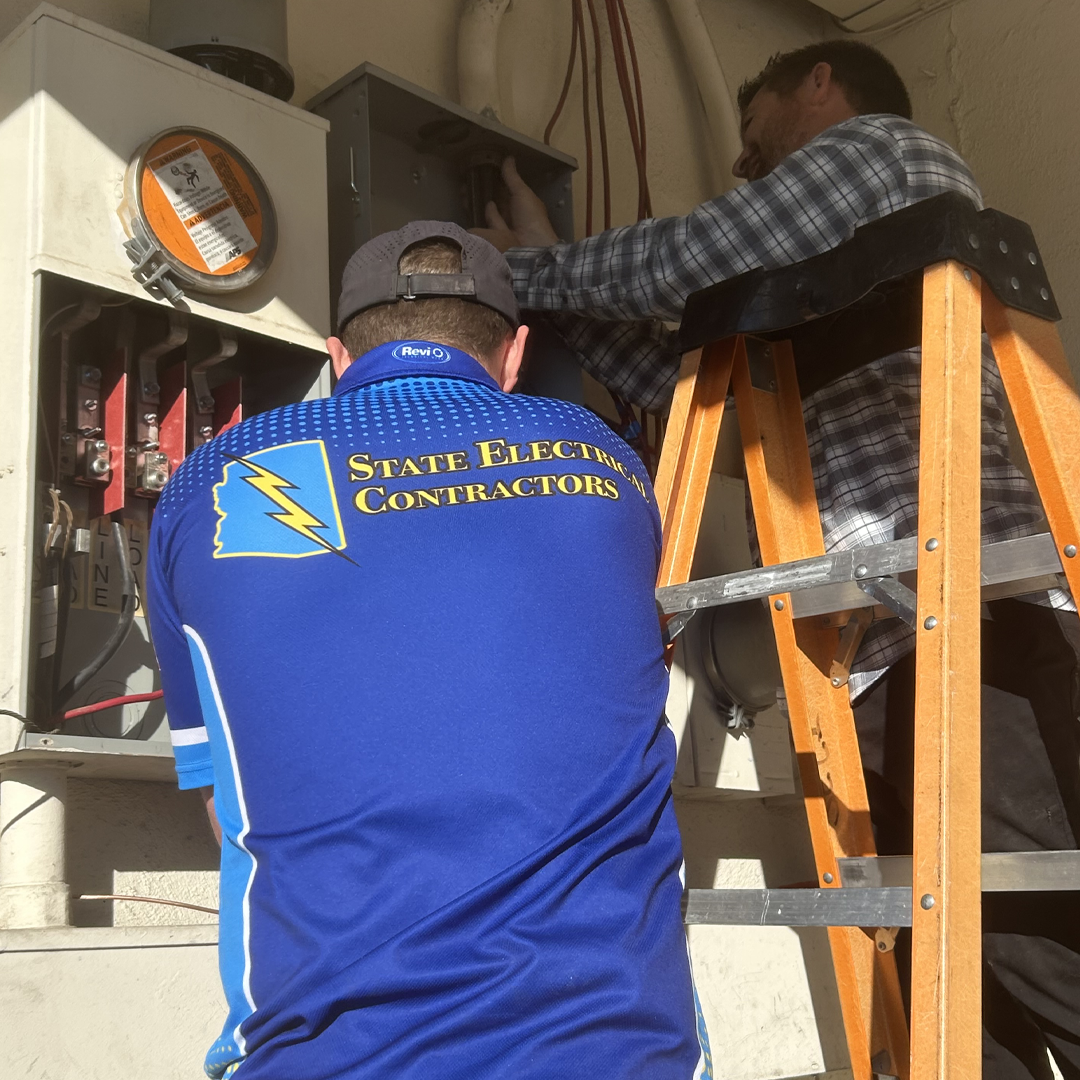
The old panel comes out. The electrician will remove the panel cover, photograph everything for reference, label every circuit, and then disconnect all the breakers. The wiring coming into your house doesn’t change. The wiring going out to your circuits doesn’t change. What changes is the panel itself and the breakers. Every wire gets disconnected from the old panel, the old panel gets unbolted from the wall, and it gets set aside. If you’ve got an old Federal Pacific or Zinsco panel, this is where you see just how corroded and sketchy the connections were. Bus bars with heat damage, breakers with burn marks, aluminum wiring with oxidation, all the stuff that was hiding behind the panel cover for 40 years.
The new panel goes up. Modern panels are bigger than old panels, so sometimes the electrician needs to patch stucco or siding around the new installation. The new panel gets mounted, leveled, and secured to the wall. The main service wires get connected first. These are the big cables coming from your meter that bring power into the panel. Then the electrician installs the main breaker, the neutral bus bar, the ground bus bar, and starts installing individual breakers for each circuit. Every circuit gets connected to its breaker according to the labels from the old panel. Kitchen circuits get 20-amp breakers. Lighting circuits get 15-amp breakers. Major appliances get their own dedicated circuits with appropriately sized breakers.
New breakers are different from old breakers. If your old panel had standard thermal-magnetic breakers, your new panel will have AFCI and GFCI breakers where code requires them. These breakers are smart breakers. They monitor the circuit for arc faults and ground faults, and they trip if they detect problems that older breakers wouldn’t catch. They cost more than standard breakers, but they’re required by code and they genuinely add protection.
Grounding gets verified and often upgraded. Your panel needs a solid connection to earth ground, and that’s accomplished through a grounding rod driven into the ground near your panel or through a connection to your water main if it’s metal. Older homes sometimes have inadequate grounding. Modern code requires two ground rods, each at least eight feet long, spaced at least six feet apart. If your existing grounding doesn’t meet current code, the electrician will install new ground rods as part of the panel installation. This isn’t optional. The inspector will fail your installation if grounding isn’t right.
Once everything is connected, the electrician will call for a temporary power restore to test the installation. They’ll check voltage at the main breaker, verify that all circuits are energized, and make sure nothing trips. Then power goes back off for final button-up and inspection prep. The panel cover goes on, all the screws get tightened to spec, and the area gets cleaned up. Your electrician should leave the site cleaner than they found itself.
The whole process takes four to six hours for a straightforward panel replacement. If you’re upgrading from 100 to 200 amp service, add time for the utility company to install new service wires from the transformer to your meter. That can add a day or more depending on scheduling. If your house needs extensive re-grounding or if the electrician finds problems with your main service wiring, add more time. Complex jobs can take two days, especially if there are permit or inspection delays.
The Inspection Nobody Wants to Fail
Every panel installation in Maricopa County requires a permit and an inspection. Your electrician pulls the permit before starting work. The permit costs a couple hundred dollars and gets paid as part of your project cost. Once the installation is complete, the electrician schedules an inspection with the county. An electrical inspector comes out, usually within a few days, and checks the work.
Inspectors look for specific things. They verify that the panel is the right size for the calculated load. They check that all breakers are installed correctly and that AFCI and GFCI breakers are in the right locations per code. They inspect the grounding system to make sure it meets current requirements. They look at the main service connection to verify it’s secure and properly torqued. They check that all circuits are labeled correctly. And they verify that the installation matches what was described in the permit application. Common failure points include improper grounding, missing AFCI or GFCI breakers, incorrect wire sizing for the breaker amperage, loose connections, and lack of proper labeling.
A good electrician knows what inspectors look for and gets it right the first time. A less experienced electrician might fail inspection and need to come back to make corrections. That delays your final approval and extends the time before you can legally use your new panel.
Failed inspections cost time and money. You can’t get final sign-off until all issues are corrected and the inspector comes back for a re-inspection. Some jurisdictions charge for re-inspections. And until you have final approval, technically the job isn’t done, which can affect your relationship with the electrician if you’re withholding final payment pending inspection approval.
Working with a licensed electrician who’s familiar with local inspectors matters. Electricians who regularly work in your city know what the local inspectors prioritize. They know the specific interpretations of code that your jurisdiction enforces. And they have a relationship with the inspection office that helps with scheduling and communication. An electrician from out of the area might be perfectly competent but not familiar with local quirks, and that can lead to inspection delays or failures over minor issues that could have been avoided.
The Price Conversation Everyone Wants to Skip
Let’s talk about what a panel replacement actually costs in the Phoenix area. A standard 200-amp panel replacement, same location as your old panel, no service upgrade needed, runs between $2,500 and $4,000 for most homes. That includes the panel, all new breakers, labor, permit, and inspection. If someone quotes you $1,500, they’re either leaving something out, planning to use substandard materials, or they’re not licensed and won’t pull a permit. If someone quotes you $8,000 for a basic replacement, they’re either overcharging or they’re including work beyond just the panel replacement.
Price goes up for legitimate reasons. If you’re upgrading from 100-amp to 200-amp service, the utility company needs to install new service wires from the transformer to your meter. That adds $2,000 to $4,000 depending on how far they need to run wire and whether they need to trench or go overhead. If your meter is on one side of the house and you want to relocate the panel to the other side for better access or aesthetics, that’s additional labor and materials.
If your house has aluminum wiring from the 60s or 70s, connecting that properly to modern copper breakers requires special connectors and technique, and that adds time and cost.
Additional grounding work drives cost up. If your existing grounding system doesn’t meet code, the electrician needs to install new ground rods, run new ground wire, and potentially connect to multiple grounding points. In houses with older plumbing that’s been replaced with PEX or PVC, the water main is no longer a valid grounding point, so the entire grounding system might need to be redone. This isn’t optional. It’s code, and it’s required for safety.
Permits cost money but they’re not where electricians make profit. The actual permit fee in most Maricopa County cities runs $150 to $300 depending on the scope of work. Your electrician includes this in their quote, but they’re just passing through the cost. What you’re really paying for with a permit is the accountability and oversight. Permitted work gets inspected. Unpermitted work doesn’t, and that means you have no way to know if the work was done correctly until something goes wrong.
The cheapest bid usually costs more in the long run. An electrician who bids significantly lower than everyone else is cutting corners somewhere. Maybe they’re using cheaper breakers that don’t meet code. Maybe they’re not pulling a permit. Maybe they’re planning to do the minimum and leave you to deal with whatever they didn’t catch. Or maybe they’re not properly licensed and insured, which means you’re liable if someone gets hurt on your property during the work. Three quotes from licensed electricians should be in the same general range. If one is dramatically different, find out why before you hire them.
What should be included in a real quote: the cost of the panel itself, all breakers including AFCI and GFCI breakers where required, labor for removal and installation, permit fees, grounding work if needed, disposal of the old panel, basic patching of the wall surface around the new panel, and coordination with the utility company if you’re upgrading service. What shouldn’t be included but sometimes gets tacked on later: extensive stucco or siding repair, replacement of circuit wiring that’s damaged, upgrades to circuits that don’t meet current code, and emergency service charges if you demand weekend or same-day installation.
When Your Whole Service Needs Upgrading Too
Sometimes replacing the panel isn’t enough. If you’re going from 100-amp to 200-amp service, your service entrance wires need to be upgraded too. These are the wires that run from the utility transformer to your meter and from your meter to your panel. The utility company owns the wires from the transformer to the meter. You own the wires from the meter to the panel. Upgrading service means coordinating work between your electrician and the utility.
Here’s how it works. Your electrician applies for a service upgrade through the utility company. The utility schedules a site visit to assess what needs to be changed on their end. They determine whether your transformer can handle 200-amp service or whether they need to upgrade transformer capacity. If your service comes overhead from a pole, they need to install heavier wire from the pole to your weather head. If your service is underground, they need to trench and pull new, larger conductors. This work is done by utility crews, not your electrician, and it happens on the utility’s schedule, not yours.
The utility company’s work is usually free or included in a standard connection fee, but it takes time. Scheduling can stretch weeks or even months depending on workload and weather. Your electrician can’t finish their work until the utility completes theirs because the old service can’t support the new 200-amp panel. This is why service upgrades take longer and require more coordination than panel replacements.
Your electrician handles the work from the meter to the panel. They install larger conductors capable of carrying 200 amps, they upgrade the meter socket if needed, and they ensure all connections meet code. They coordinate with the utility for the final connection and power restoration. And they schedule the inspection for the complete installation once everything is done.
Cost for a full service upgrade runs $8,000 to $15,000 total, including the utility’s work, the electrician’s work, the new panel, permits, and inspections. This is significantly more than a basic panel replacement, but it’s unavoidable if your current service can’t support the load you need. There’s no shortcut. You can’t put a 200-amp panel on 100-amp service wires. The wires will overheat and fail, and that’s exactly the kind of hazard you’re trying to eliminate by upgrading in the first place.

Picking an Electrician Who Won’t Wreck Your Week
Finding an electrician for a panel replacement shouldn’t be complicated, but there’s enough variation in quality and business practices that it’s worth being selective. Start with ROC license verification. In Arizona, contractors need a Registrar of Contractors license to do work over $1,000. You can verify a license at roc.az.gov. A valid license means the contractor has passed exams, proved they have insurance, and posted a bond. It doesn’t guarantee good work, but it weeds out the obviously unqualified.
Insurance matters more than most homeowners realize. Your electrician should carry general liability insurance and workers’ compensation insurance. General liability covers damage to your property if something goes wrong during the job. Workers’ comp covers medical bills if the electrician or their crew gets hurt on your property. If an uninsured electrician gets hurt at your house, you could be liable for their medical costs. Ask for proof of insurance and verify it’s current before work starts.
Good electricians ask questions before they quote. They want to know what your current panel is, what breakers you have, what load you’re running, what you’re planning to add, and what problems you’ve been experiencing. They want to see your panel in person before quoting because pictures don’t show everything. An electrician who quotes over the phone without seeing your setup is guessing, and guesses turn into change orders when they discover things they didn’t account for.
Red flags in estimates include prices that are way lower than other quotes, vague descriptions of what’s included, reluctance to pull permits, pressure to start immediately, and requests for large deposits upfront. A reasonable deposit is 10-25% to cover materials. Anything over 50% should raise questions. And an electrician who says permits aren’t necessary or that inspections are optional is planning to do unpermitted work, which creates liability for you when you sell the house or file an insurance claim.
Referrals from neighbors matter because electrical code and inspection practices vary slightly between cities. An electrician who works regularly in your city knows the local requirements and has relationships with the inspection office. That familiarity reduces the chance of inspection failures and makes the whole process smoother. An electrician from across the Valley might be perfectly competent but not as familiar with your specific jurisdiction’s quirks.
Questions to ask: How long have you been doing panel replacements? Do you pull permits for all your work? What’s included in your quote? How long will the job take? What do you do if the inspection reveals additional work needed? Can you provide references from recent panel replacements? What warranty do you offer on your work? These questions separate professionals from parts changers. A confident, experienced electrician will answer all of them without hesitation.
What You Get After the Work’s Done (Besides a Panel That Works)
When the job’s finished and the inspector has signed off, you’ve got more than just a new panel. You’ve got electrical capacity that matches how you actually live. You can run both AC units, charge your EV, heat the pool, and cook dinner simultaneously without worrying about tripping breakers or overloading circuits. That sounds basic, but if you’ve been managing your electrical usage to avoid problems, not having to think about it anymore is a genuine quality-of-life improvement.
You’ve got code-compliant protection throughout your house. AFCI breakers protect against arc faults that could start fires. GFCI breakers protect against ground faults that could cause shocks or electrocution. Whole-home surge protection guards against voltage spikes from the grid. These aren’t luxuries or upsells. They’re standard protective features that modern electrical systems include because they prevent injuries and property damage.
Your panel is properly labeled. Every breaker should have a label that clearly identifies what it controls. Kitchen outlets, master bedroom, living room lights, pool equipment, AC unit 1, AC unit 2, water heater, range, dryer, whatever. You should be able to flip any breaker and know exactly what’s going to turn off. This matters when you’re troubleshooting problems, doing maintenance, or shutting off power to a specific area for work. A properly labeled panel saves time and frustration.
You’ve got documentation for your home records. Keep a copy of the permit, the inspection approval, the circuit schedule, and any warranty information from the electrician and the panel manufacturer. This documentation proves the work was done legally and to code. It’s valuable when you sell the house because buyers and their inspectors will ask about electrical work. It’s valuable for insurance claims if you ever have electrical damage. And it’s valuable for future electricians who work on your house because they can see exactly what was installed and how the system is configured.
Warranty expectations vary between workmanship and equipment. Your electrician should warranty their labor for at least one year, meaning if something they installed fails or wasn’t done correctly, they come back and fix it at no charge. Equipment warranties come from the manufacturers. Panels and breakers typically have warranties ranging from one year to limited lifetime coverage depending on the brand. Read the warranty terms and keep the documentation. If a breaker fails prematurely, you might be able to get a replacement at no cost if it’s still under warranty.
Insurance benefits are real but not always immediately obvious. Some insurance companies reduce premiums for homes with updated electrical systems. Others require electrical upgrades before they’ll insure older homes at all. Having a modern, code-compliant panel makes your house insurable with better companies at better rates. It also reduces the risk of a claim being denied due to electrical issues. If your house burns down because of an electrical fault and the investigation shows you had an outdated Federal Pacific panel, your insurance company might fight the claim. That’s not a hypothetical. It happens.
Resale value impact is harder to quantify but definitely exists. Buyers notice electrical systems during inspections. A house with a modern 200-amp panel, code-compliant breakers, and proper documentation is more attractive than a house with an old 100-amp panel that’s barely hanging on. In competitive markets, an updated electrical system can be the difference that closes a deal or justifies a higher offer. In slower markets, it can be the difference between selling and sitting on the market while buyers pass on your house for one that doesn’t need immediate electrical work.
How Long Should This Thing Actually Last?
A properly installed electrical panel in Arizona should last 25 to 40 years. That’s a wide range because longevity depends on installation quality, usage patterns, and environmental conditions. A panel installed in a shaded location with good ventilation will outlast a panel in full sun with no airflow. A panel that runs near capacity constantly will wear faster than a panel with comfortable margin. And a panel installed correctly with quality components will outlast a panel thrown together with cheap parts by someone in a hurry.
Heat is the biggest enemy. Electrical components are rated for specific operating temperatures, and Arizona tests those limits constantly. Every connection, every breaker, every wire terminal generates heat when current flows. That heat has to dissipate, and when ambient temperature is already 140 degrees inside the panel box, there’s not much thermal margin. Quality installation means using components rated for high temperatures, ensuring connections are tight and properly torqued, and positioning the panel where it gets some shade or ventilation if possible.
Moisture from monsoons affects panels over time. While outdoor panels are designed to be weatherproof, gaskets deteriorate, seals crack, and water finds a way in. Once moisture gets inside, it combines with dust to create conductive paths and promotes corrosion. Panels in areas that take direct rain or where roof drainage runs over the panel tend to have shorter lifespans. Annual checks to verify the panel box is still sealed and draining properly can add years to the installation.
Maintenance requirements are minimal but not zero. Once a year, turn off the main breaker, open the panel cover, and look for signs of corrosion, loose wires, or burnt connections. Don’t touch anything inside the panel. Just look. If you see problems, call an electrician. Every three to five years, have a licensed electrician inspect the panel and perform any necessary maintenance like tightening connections and cleaning out dust. This isn’t expensive, but it catches problems before they become failures.
When to schedule follow-up inspections depends on your usage and environment. If you’re running high loads constantly, or if you live in an area that gets particularly harsh sun or monsoon exposure, more frequent inspections make sense. If your panel is in a protected location and you’re not pushing it hard, inspections every five years are probably sufficient. The key is being proactive. Panels rarely fail suddenly without warning. They give signs: breakers that trip more frequently, connections that feel warm, discoloration on the panel cover, unusual sounds. Catching these signs early prevents failures that leave you without power at inconvenient times.
FAQ: Circuit Panel Installation
01 Circuit Panel Installation
New panel installations, full replacements
Complete Panel Replacement & New Installation Description: Upgrading from an outdated 100-amp fuse box? Building an addition? We handle full panel replacements and new installations that meet 2024 NEC codes. Arizona’s extreme heat demands panels built to last.
02 Sub Panel Installation
Expand Your Power with Sub Panel Solutions
Add power where you need it with clean, code-compliant sub panels for garages, additions, and outdoor spadding a workshop, pool equipment, or converting your garage? Sub panels distribute power exactly where you need it without overloading your main system. Perfect for Maricopa County home additions and outdoor spaces.ces.
