

When Your Main Panel Has the Juice But Not the Real Estate
Sub Panel Installation for Phoenix Area Homes & Properties
Your main panel is maxed out on space. Every slot is filled, and you’re staring at plans for a workshop in the garage, or maybe you finally pulled the trigger on that pool, or your contractor just told you the casita conversion needs six new circuits and there’s literally nowhere to put them. You don’t need more power coming into your house. You just need to distribute what you’ve got more efficiently.
That’s what sub panels do. They’re satellite distribution points that branch off your main panel and feed specific areas of your property. Think of your main panel as the trunk line and sub panels as branches that carry power exactly where you need it without running 80 feet of individual circuits from the main panel to your detached garage.
Sub Panel Installation and Upgrade Services
Most homeowners in Maricopa County hit the sub panel conversation one of three ways. You’re adding something that needs serious power in a location far from your main panel. You’re converting space that didn’t have much electrical service into space that needs a lot. Or you’re running a business or serious workshop out of your property and you need dedicated, organized power that doesn’t compete with your house circuits.
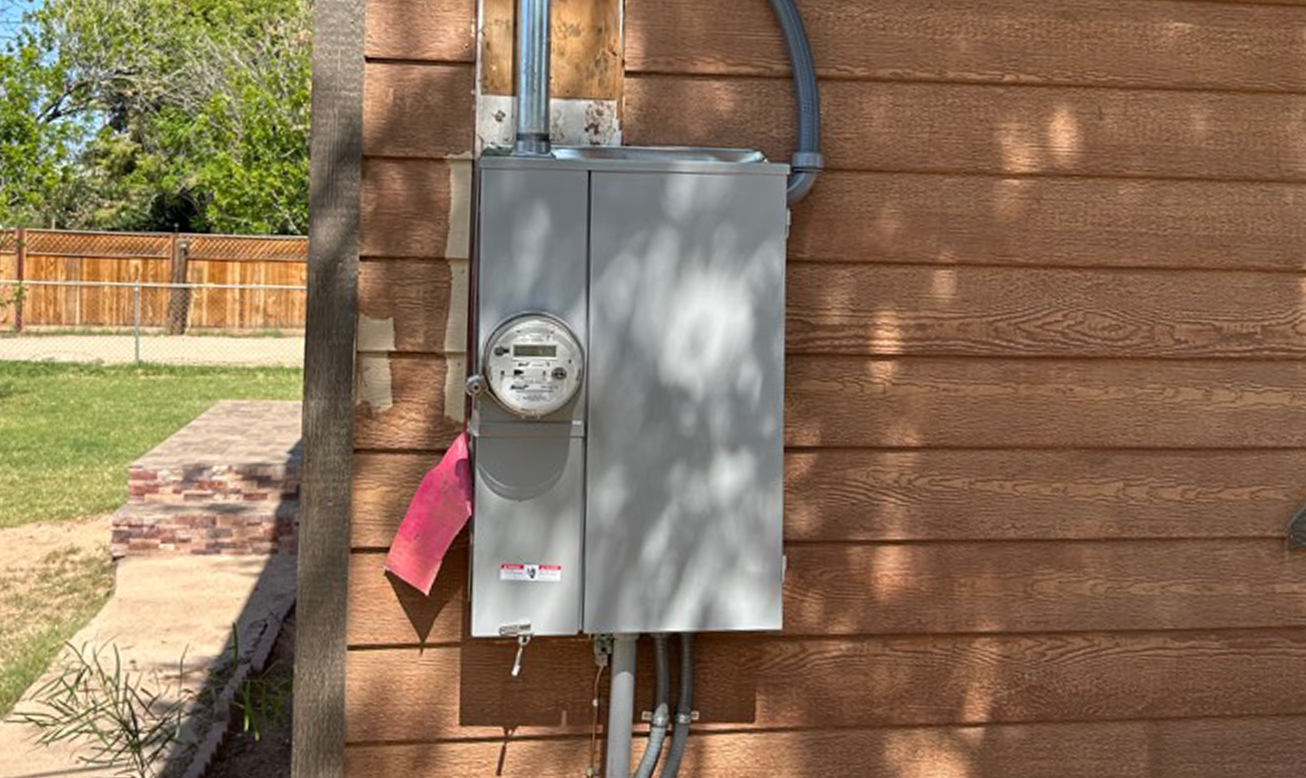
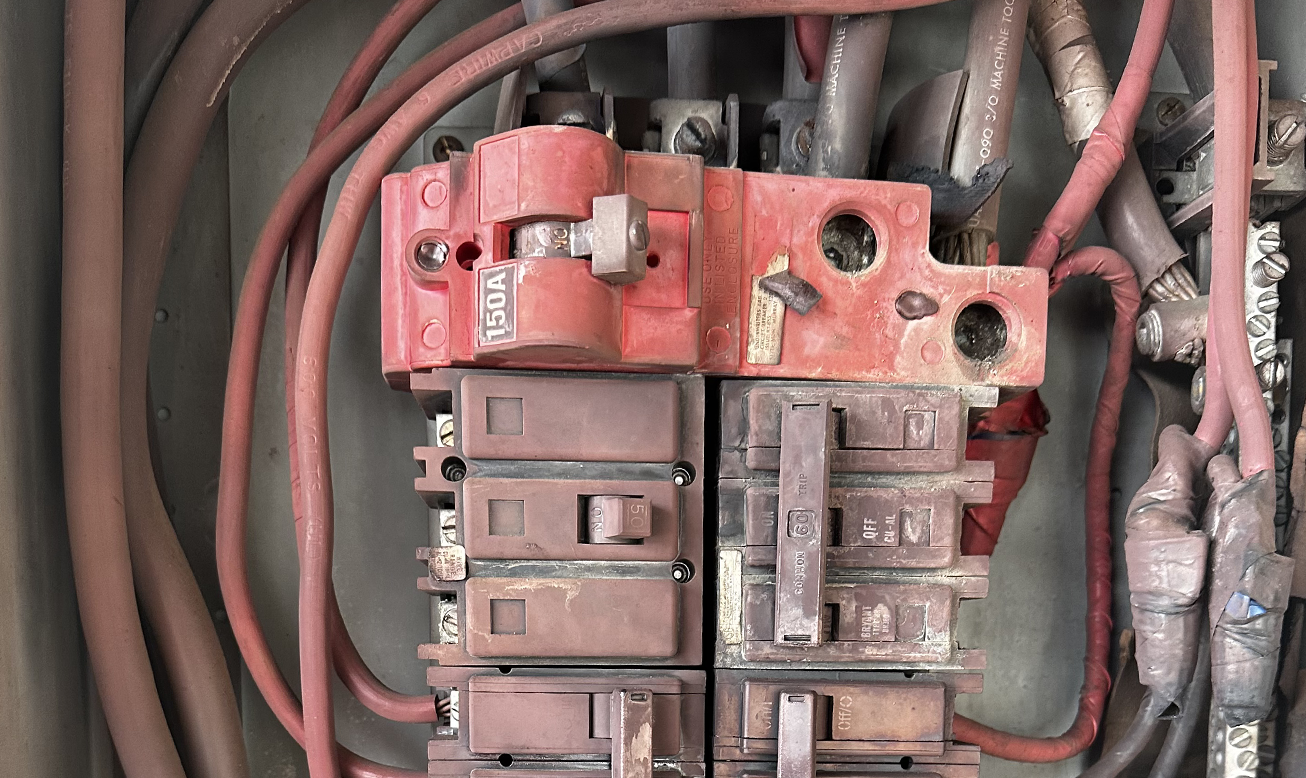
Here’s what matters in Arizona: sub panels live outside just like main panels, they bake in the same 118-degree heat, and they need the same attention to code compliance and quality installation. The difference is sizing and purpose. You’re not feeding your entire house. You’re feeding a garage, a casita, a pool equipment pad, a workshop, an outdoor kitchen, or a detached structure. The installation is smaller in scope but not any less important. A poorly installed sub panel creates the same fire and safety risks as a poorly installed main panel.
The question most homeowners actually need answered: is a sub panel the right solution for what you’re trying to do, or do you actually need to upgrade your main panel? Because contractors will sell you either one, and only one of them solves your problem.
When a Sub Panel Makes Sense (And When It Absolutely Doesn’t)
Sub panels work when your main panel has capacity but not space. Let’s talk about what that actually means. Your main panel is rated for a certain amperage, usually 200 amps in modern homes. That rating represents the total amount of current your panel can safely distribute at any given time. But having 200-amp service doesn’t mean you’re using 200 amps constantly. Most homes pull 80-120 amps under normal peak load, which leaves margin for additional circuits.
If your main panel has physical slots available and your load calculation shows you’ve got capacity, you can just add breakers to your main panel. Simple, cheap, done. But if every slot is full and you need more circuits, you’ve got two options: replace the main panel with a larger one that has more slots, or install a sub panel that creates additional slots without replacing the main. The sub panel pulls power from one large breaker in the main panel and redistributes it through its own set of smaller breakers.
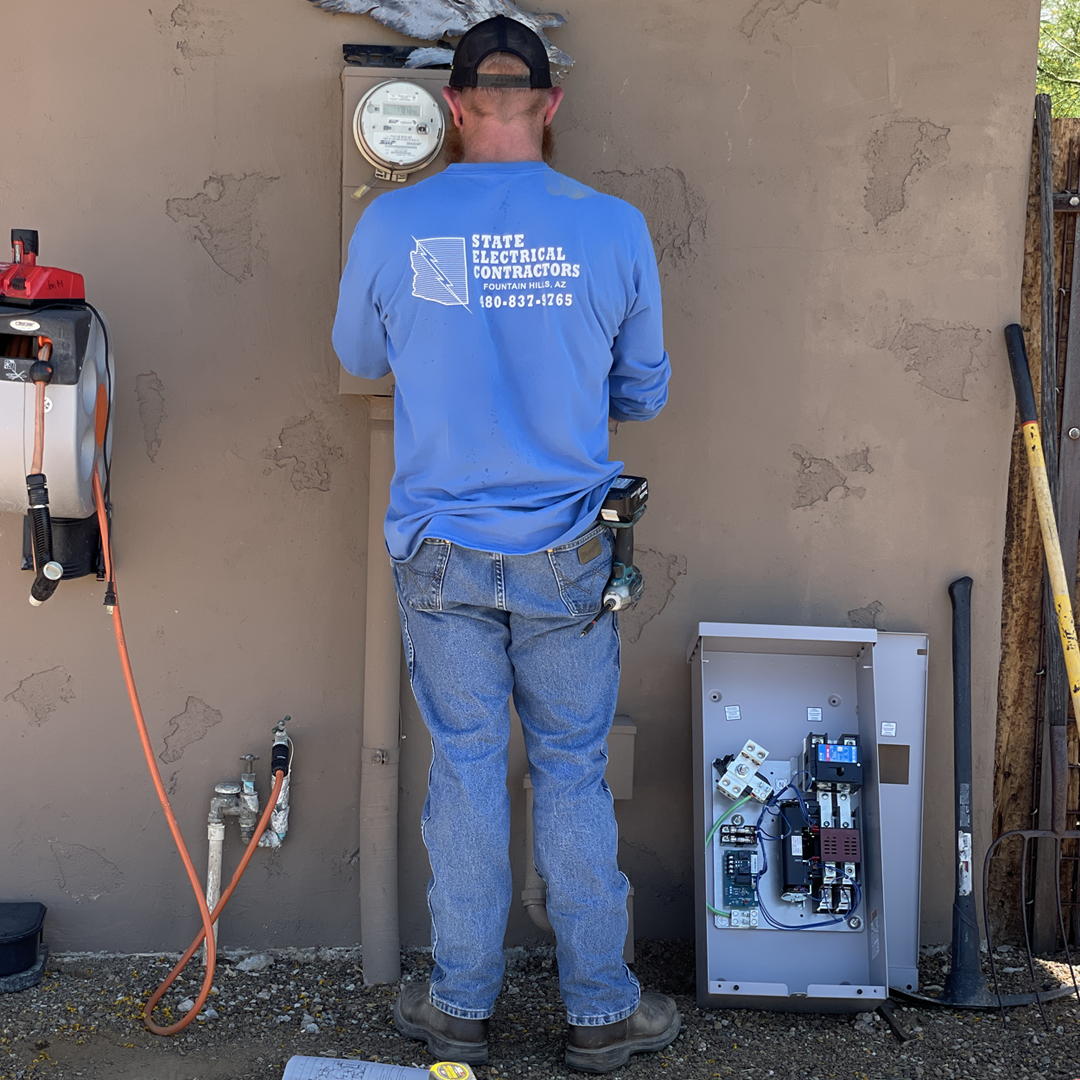
Here’s a real scenario that plays out constantly in the East Valley. You’re in Gilbert, house built in 2005, 200-amp main panel with 40 circuit slots, and every single slot is full. You’re converting your garage into a home gym and office, and you need eight new circuits for lighting, outlets, a mini-split AC unit, and a dedicated 240-volt circuit for equipment. Running eight individual circuits from your main panel to the garage means eight separate wire runs, eight separate holes through walls, and eight breakers you don’t have room for. Or you run one large feeder cable from the main panel to the garage, install a sub panel in the garage, and break out your eight circuits right there. Less wire, less labor, more organized, and you’ve got room to add more circuits later if you need them.
Sub panels make sense for detached structures. If you’ve got a casita, a detached garage, a workshop, a pool house, or any structure that’s not part of your main house, running individual circuits from the main panel is inefficient and expensive. A sub panel in the detached structure gives you local distribution and makes future additions easier. This is especially common in North Scottsdale and Paradise Valley where properties have guest houses, workshops, or pool equipment buildings that need significant electrical service.
Pool and spa installations almost always involve sub panels. Pool equipment pulls serious power. Pumps, heaters, lights, water features, and automated controls can easily require 60-100 amps of dedicated service. Rather than running six or eight individual circuits from your main panel to the pool equipment pad, electricians install a sub panel at the equipment location. Everything related to the pool connects to the sub panel, which makes troubleshooting and maintenance simpler. When something trips, you know it’s pool-related, and you’re not hunting through your main panel trying to figure out which breaker feeds the pool heater.
Now let’s talk about when a sub panel doesn’t make sense. If your main panel is already running at or near capacity, adding a sub panel doesn’t create more capacity. It just redistributes the capacity you already have. This is the most common mistake homeowners make. Your main panel is 100 amps, you’re already pulling 90 amps at peak load, and you want to add a sub panel for an EV charger that needs 50 amps. The math doesn’t work. You don’t have 50 amps of available capacity, and adding a sub panel doesn’t magically create it. You need a main panel upgrade to 200 amps before a sub panel becomes useful.
Sub panels also don’t make sense for small additions close to the main panel. If you’re adding three circuits for a kitchen remodel and your main panel is ten feet away with available slots, just add the circuits to the main panel. A sub panel adds cost and complexity with no benefit. The break-even point is usually around six to eight circuits at a distance of 50-plus feet from the main panel. Below that, direct circuits from the main panel are usually more cost-effective.
Here’s the scenario that causes problems: you’re in Tempe, your main panel is full, and you want to add circuits for a backyard renovation. A contractor quotes you a sub panel installation without doing a load calculation on your main panel. You pay for the sub panel, it gets installed, and six months later you’re adding an EV charger and your electrician tells you that you don’t have capacity in your main panel. Now you’re paying for a main panel upgrade anyway, and the sub panel installation didn’t solve the underlying problem. This happens because not every contractor does the math before recommending a solution. An honest electrician does a load calculation first, tells you whether your main panel can support a sub panel, and only then designs the sub panel installation.
What You’re Really Getting: A Distribution Point That Handles Real Loads
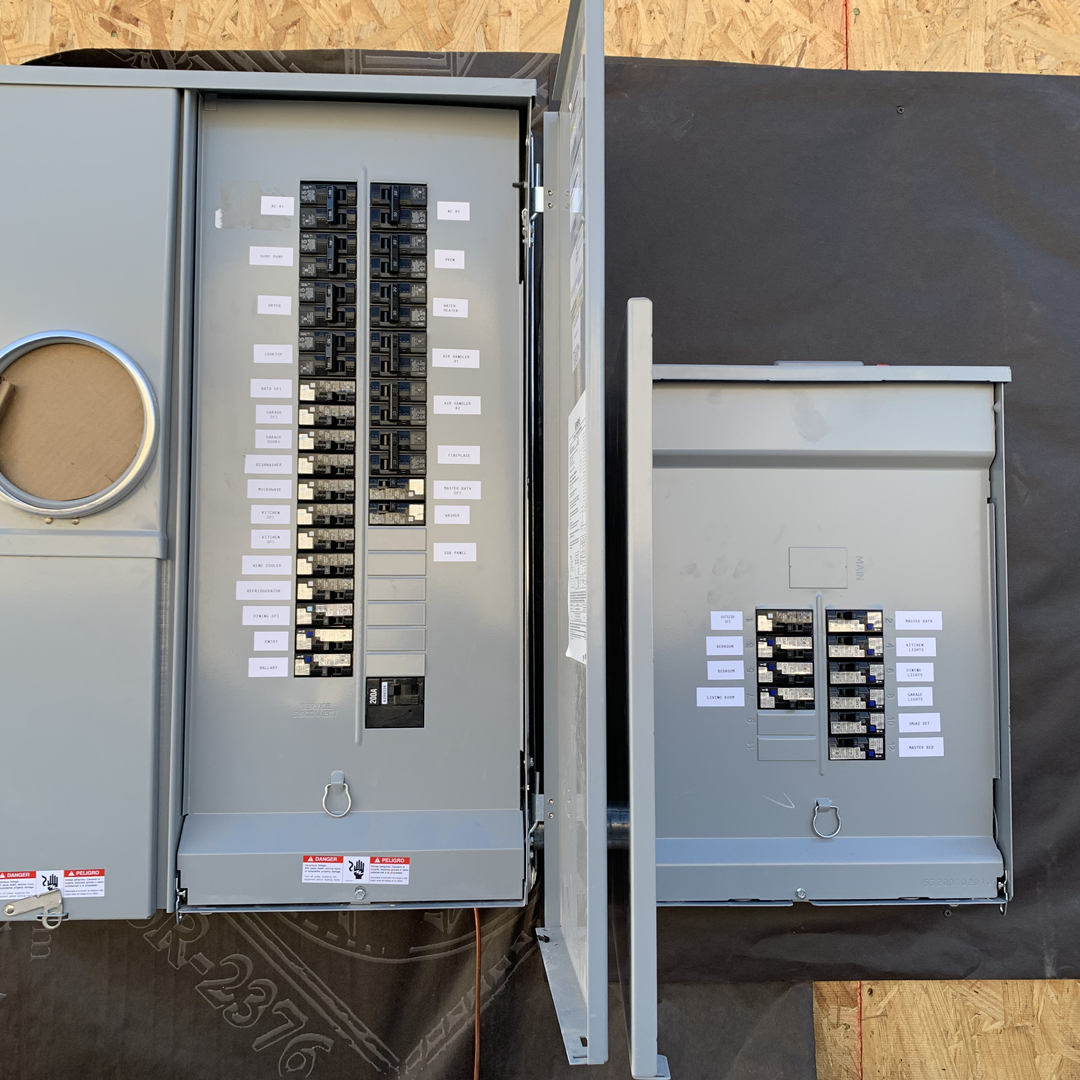
A sub panel is a smaller version of your main panel. It has a metal enclosure, a set of bus bars that distribute power, and individual circuit breakers that protect each circuit. The main difference is that a sub panel doesn’t have a main breaker. It gets its power from a large breaker installed in your main panel, and that breaker acts as the disconnect for the entire sub panel.
Sizing matters. Sub panels range from 60 amps up to 200 amps depending on what they’re feeding. A garage workshop might need a 60-100 amp sub panel. A detached casita with its own AC unit, kitchen appliances, and full electrical service might need a 100-125 amp sub panel. Pool equipment typically needs 60-100 amps. The size gets determined by calculating the load of everything that will connect to the sub panel and adding appropriate safety margin.
The feeder cable that connects your main panel to the sub panel has to be sized for the sub panel’s rating. A 100-amp sub panel needs a feeder cable rated for at least 100 amps, which means either 1 AWG aluminum or 3 AWG copper. Aluminum is cheaper and commonly used for sub panel feeders, but it requires special anti-oxidant compound on connections and proper torquing. Copper costs more but it’s easier to work with and doesn’t have the oxidation issues that aluminum does. Both are code-compliant. The choice usually comes down to cost and distance. For long runs, aluminum saves money. For short runs, copper is worth the slight additional cost.
Conduit requirements depend on where the feeder runs. If it’s going through your attic or inside walls, it usually runs in conduit for protection. If it’s running underground to a detached structure, it goes in PVC conduit buried at code-required depth, typically 18-24 inches depending on the conduit type and local requirements. Above-ground runs on the exterior of your house use weatherproof conduit rated for outdoor exposure and UV resistance. Arizona sun destroys non-rated conduit in a few years, so proper materials matter.
Grounding gets its own attention in sub panel installations. Your sub panel needs a grounding electrode system separate from your main panel’s grounding. That means ground rods driven at the sub panel location, typically two rods spaced at least six feet apart. The sub panel also needs a separate neutral and ground bus. In main panels, neutral and ground are bonded together. In sub panels, they’re isolated. This is a code requirement that confuses a lot of DIYers and even some less-experienced electricians. If you bond neutral and ground in a sub panel, you create a parallel path for current that can cause nuisance tripping and creates shock hazards. It’s one of the most common inspection failures in sub panel installations.
Outdoor installation in Arizona requires the same attention to heat, dust, and weather that main panels require. Sub panels get mounted in weatherproof enclosures with gasketed covers. They need to be positioned where they’re accessible but somewhat protected from direct sun if possible. A sub panel mounted on the west side of your detached garage in full afternoon sun will run hotter than one mounted on the north side in shade. That heat affects breaker performance and component lifespan. It’s not always possible to avoid sun exposure, but when you have a choice, shade helps.
The Pool Equipment Sub Panel Everyone Eventually Needs
If you’re putting in a pool in Maricopa County, you’re putting in a sub panel. Pool equipment is one of the highest-load additions most homeowners make, and it all needs to be on dedicated circuits that are easy to disconnect for service. Here’s what typically connects to a pool sub panel: the main pump, the booster pump if you have a pool cleaner, the heater (gas or electric), the lights, any water features, the automation system, and sometimes the landscape lighting around the pool area.
A single-speed pool pump pulls 10-15 amps. A variable-speed pump pulls less, usually 5-8 amps, but it’s still a dedicated circuit. If you have an electric pool heater, it can pull 50-60 amps by itself. Gas heaters still need electrical service for the ignition and controls, usually 15-20 amps. Pool lights are typically on a 20-amp circuit. Water features add another 15-20 amps. Add it up and you’re easily looking at 60-100 amps of demand just for pool equipment. Running all of those circuits individually from your main panel to the pool equipment pad is expensive and disorganized.
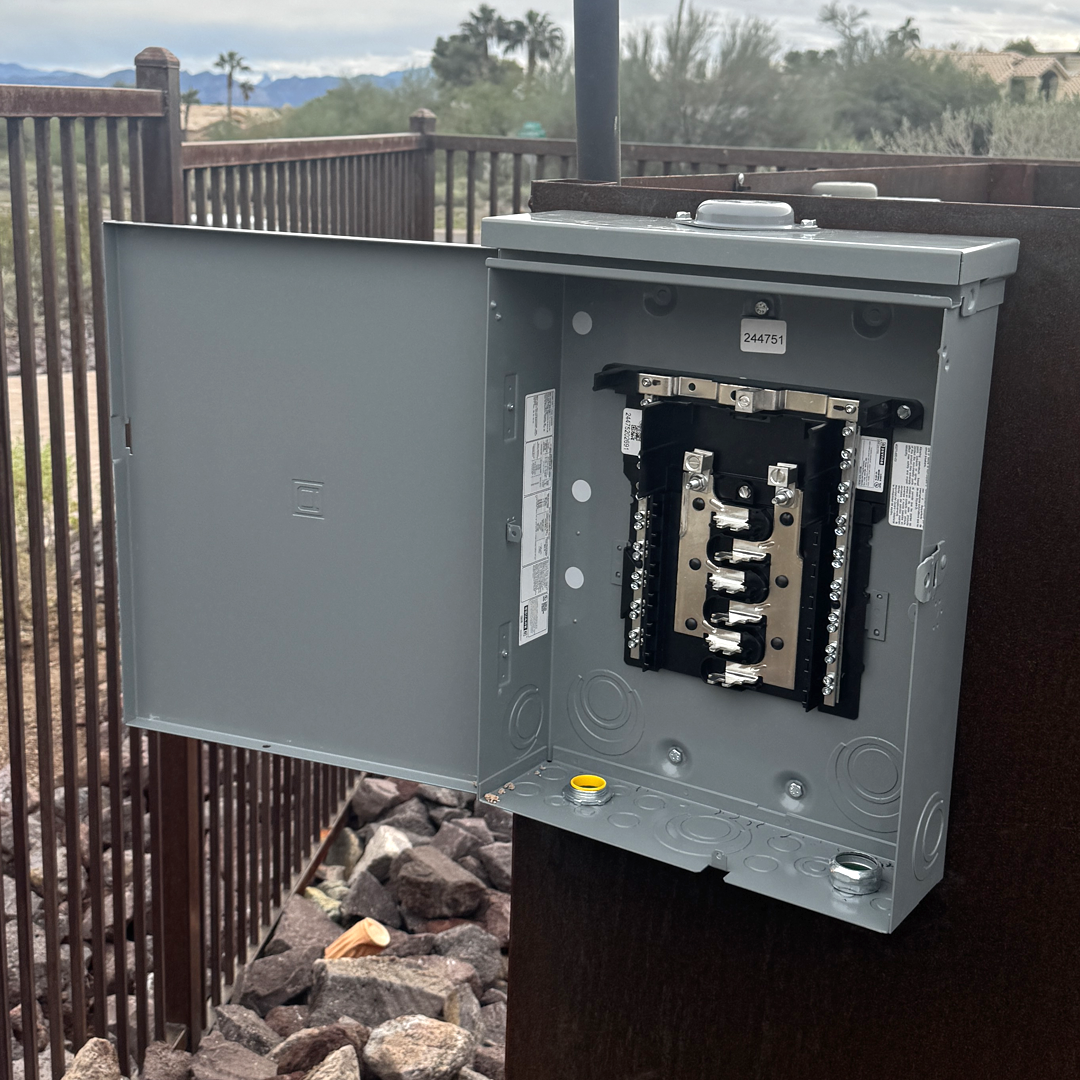
You’d have six to ten separate wire runs covering 50-100 feet depending on where your main panel and pool equipment are located. A sub panel at the equipment pad consolidates everything. One large feeder run from the main panel to the sub panel, then short individual circuits from the sub panel to each piece of equipment. It’s cleaner, cheaper, and easier to troubleshoot when something trips.
Pool sub panels typically run 60-100 amps depending on your equipment. If you’ve got a spa with a separate heater and blower, you’re at the higher end. If you’ve got a basic pool with a variable-speed pump and gas heater, you might get away with 60 amps. Your pool contractor and electrician should work together on sizing because the pool contractor knows what equipment they’re installing and the electrician knows how to calculate the electrical load.
One thing that catches homeowners off guard: pool sub panels usually need GFCI protection on most circuits. Pumps, heaters, and underwater lights all need GFCI because they’re operating in wet environments. GFCI breakers cost more than standard breakers, and a pool sub panel might need six to eight of them. That adds $300-600 to the material cost compared to a sub panel with standard breakers. It’s not optional. It’s code, and it’s required for safety around water and electricity.
What Happens During Installation (The Real Process)
Sub panel installation starts with planning and load calculation. Your electrician needs to know what you’re connecting to the sub panel, what the expected load is, and where the sub panel is going. They’ll calculate whether your main panel has capacity to support the sub panel, size the feeder cable, determine the sub panel rating, and figure out the routing for the feeder run.
The main panel gets a new breaker. This breaker is sized for the sub panel, typically 60-125 amps depending on the sub panel size. The breaker gets installed in your main panel in a two-pole configuration because it’s feeding 240-volt service to the sub panel. The feeder cable connects to this breaker, and that’s the only connection the sub panel has to your main panel. Everything the sub panel distributes flows through this one breaker. The feeder cable gets run from the main panel to the sub panel location. If it’s going through your attic, the electrician runs it in conduit or uses cable rated for the environment.
If it’s going underground to a detached structure, they trench, lay PVC conduit at the required depth, pull the cable through, and backfill. Underground runs take longer and cost more because of the trenching and conduit work. Overhead runs are faster but more visible and sometimes require additional support depending on distance. The sub panel gets mounted at the destination. For detached structures, it usually goes on an exterior wall near where the feeder enters the structure. For garage conversions or workshops, it goes in a convenient location that’s accessible but out of the way. The sub panel needs to be at a height that meets code, typically with the center of the panel 4-5 feet off the ground. It needs clearance in front for access, usually 3 feet minimum, and it can’t be installed in locations where it could get damaged by vehicles, equipment, or storage.
Grounding gets installed at the sub panel. Two ground rods get driven into the ground near the sub panel, spaced at least six feet apart. Ground wire connects the rods to the sub panel’s ground bus. The neutral and ground buses in the sub panel must be isolated from each other, which means they’re not bonded together like they are in the main panel. This is critical for safety and for passing inspection. The inspector will specifically check that neutral and ground are separate.
Individual circuits get connected to the sub panel breakers. Whatever you’re powering from the sub panel gets wired to individual breakers installed in the sub panel. Each circuit gets properly sized wire and an appropriately rated breaker. GFCI and AFCI breakers get installed where code requires them. Everything gets labeled clearly so you know what each breaker controls.
Testing happens before the inspection. Your electrician will energize the sub panel, check voltage at each breaker, verify that all circuits are functioning, and make sure nothing trips under load. They’ll test GFCI breakers to ensure they trip properly. They’ll check for proper grounding and verify that neutral and ground are isolated. Any issues get corrected before calling for inspection.
The inspection follows the same process as main panel inspections. The inspector checks that the sub panel is properly sized, that the feeder cable is correctly installed and protected, that grounding is adequate, that neutral and ground are isolated, and that all breakers are installed correctly. Common failure points include improper grounding, bonded neutral and ground, undersized feeder cable, and missing GFCI protection where required.
Timeline for sub panel installation varies based on complexity. A simple garage sub panel with an attic feeder run might take one day. A detached structure with underground trenching might take two to three days depending on distance and ground conditions. Pool sub panels usually get installed as part of the pool construction process and coordinate with the pool contractor’s timeline.
The Detached Structure Challenge Everyone Underestimates
Running power to a detached structure is more involved than most homeowners expect. You’re not just installing a sub panel. You’re running a feeder underground or overhead, you’re dealing with permitting for trenching if you go underground, you’re installing separate grounding, and you’re coordinating with potentially multiple inspections depending on your jurisdiction.
Underground feeders are more common in residential applications because they’re less visible and don’t require overhead support structures. The trench needs to be deep enough to meet code, typically 18 inches for PVC conduit or 24 inches for direct-burial cable. In Arizona, digging 18-24 inches means dealing with caliche in many areas, which is hardpan that requires breaking up before you can dig. Trenching through caliche adds time and sometimes requires equipment beyond a shovel and digging bar. Before you dig, you need to call Arizona 811 for utility location. This is legally required and it’s free. They’ll come mark where gas, electric, water, and communication lines are buried on your property.
You don’t want to discover your gas line with a pick ax. Utility strikes are dangerous, expensive, and sometimes deadly. The 811 service takes a few days to respond, so you need to plan ahead. Most electricians handle this as part of the project, but verify it’s happening.
The conduit run from your main panel to the detached structure needs to be continuous or properly joined. PVC conduit comes in 10-foot sections that get glued together. Joints need to be clean and properly glued or they’ll leak and allow water and insects inside. The conduit needs to be sized appropriately for the feeder cable. Overfilling conduit makes pulling wire difficult and violates code. Your electrician will size the conduit correctly, but it’s worth knowing that a 100-amp feeder typically needs 1.5 to 2-inch conduit depending on the number of conductors.
Overhead feeders are less common in residential but sometimes necessary when trenching isn’t practical. Overhead runs require support every so many feet depending on the wire gauge and local wind loading requirements. In Arizona, wind during monsoons is a real consideration. An overhead feeder that isn’t properly supported will sag, and sagging creates stress on connections that can lead to failures. Overhead runs are also more visible, which is why most homeowners prefer underground if they have a choice.
The sub panel in a detached structure becomes that structure’s main distribution point. Everything in that structure connects to the sub panel. If it’s a casita with a kitchen, bathroom, and living space, you’re installing circuits for lighting, outlets, appliances, HVAC, water heater, and whatever else the space needs. If it’s a workshop, you’re installing circuits for tools, lighting, outlets, and potentially 240-volt circuits for larger equipment. The sub panel needs to be sized for the total anticipated load, and you want some margin for future additions.
Detached structure sub panels often trigger additional code requirements. Some jurisdictions require a separate meter for detached structures over a certain size. Some require fire-rated construction or fire suppression systems. Some have specific setback requirements from property lines that affect where you can place the structure and its electrical service. Your electrician should know these requirements, but if you’re the one pulling permits, you need to research what applies to your project. A structure that’s technically code-compliant might not be permit-compliant in your specific city.
The Price Conversation Nobody Wants But Everybody Needs
Sub panel installation costs vary widely based on size, location, and complexity. A basic 60-100 amp sub panel installed in your garage with an attic feeder run, no major obstacles, standard breakers, runs $1,500-$2,500 including materials, labor, permit, and inspection. That’s assuming your main panel has available capacity and no unexpected issues.
Add underground trenching and the price goes up. Trenching 50 feet through normal soil adds $500-$800. Trenching through caliche or heavily landscaped areas can add $1,000-$1,500 or more depending on what needs to be moved or broken up. If you’re running the feeder under hardscaping like pavers or decorative rock, factor in removal and replacement costs for those materials. Distance drives cost. A sub panel 30 feet from your main panel costs significantly less than one 150 feet away because of the feeder cable cost and installation labor. Long feeder runs also require larger wire to minimize voltage drop, which increases material cost.
A 100-amp sub panel 50 feet from the main panel might use 1 AWG aluminum wire. The same sub panel 150 feet away might need 1/0 or 2/0 aluminum wire, which costs substantially more per foot.
Detached structure sub panels typically run $2,500-$5,000 depending on distance, trenching requirements, and the complexity of the structure’s electrical needs. A simple workshop with basic circuits is at the low end. A fully equipped casita with kitchen appliances, HVAC, water heater, and full electrical service is at the high end. Pool sub panels typically run $2,000-$4,000 depending on the number of circuits and whether you need multiple GFCI breakers.
GFCI breakers add cost that surprises people. Standard circuit breakers cost $5-15 each. GFCI breakers cost $40-80 each. AFCI breakers cost $35-60 each. If your sub panel needs six GFCI breakers for pool equipment, that’s $240-480 just in breakers compared to maybe $60 in standard breakers. It’s not optional. Code requires GFCI protection for circuits near water and in wet locations. Your electrician should include this in their quote, but verify what type of breakers are included.
Permits typically run $100-$250 for sub panel installations depending on the scope of work. Underground trenching sometimes requires separate permits for excavation. Detached structures might require building permits in addition to electrical permits. Your electrician should clarify who’s pulling what permits and what’s included in their quote. If you’re acting as your own general contractor, you’re responsible for coordinating permits, and that adds time and complexity.
What drives the price up beyond the basics: extensive trenching through difficult soil or landscaping, long feeder runs that require expensive cable, structural modifications to mount the sub panel, additional grounding work beyond standard ground rods, multiple inspections if work needs corrections, and coordination with other trades if the sub panel is part of a larger project. What should be included in a complete quote: the sub panel and all breakers, feeder cable and conduit, trenching and backfill if underground, grounding electrodes and wire, all circuit wiring from the sub panel to the intended loads, mounting and connection, permits, and inspection coordination.
The cheapest quote usually isn’t the best value. An electrician who bids $1,000 for a sub panel that everyone else quotes at $2,000 is either missing major components, planning to use substandard materials, or doesn’t understand the scope. Three quotes from licensed electricians should be within 20-30% of each other. If one is dramatically different, find out specifically what’s included or excluded.
Picking an Electrician Who Knows Sub Panels From Service Upgrades
Not every electrician is equally experienced with sub panel installations. Some primarily do residential service work, adding circuits and replacing outlets. Others focus on new construction where sub panels are less common because the main panel is sized appropriately from the start. You want an electrician who regularly installs sub panels and understands the code requirements, grounding considerations, and proper sizing.
Questions to ask before hiring: How many sub panel installations have you done in the past year? Can you provide references for sub panel projects similar to mine? Will you do a load calculation on my main panel before designing the sub panel? What size sub panel and feeder do you recommend for my application and why? How do you handle grounding for sub panels? What breakers are included in your quote, standard or GFCI where needed? Do you pull permits for all sub panel installations?
A good electrician will want to see your main panel before quoting. They need to verify you have available capacity and physical space for the feeder breaker. They need to assess the route for the feeder cable and identify potential obstacles. They should ask what you’re planning to connect to the sub panel so they can size it correctly. An electrician who quotes over the phone without seeing your setup is guessing, and guesses turn into change orders.
ROC license verification matters just as much for sub panels as for main panels. Your electrician needs to be properly licensed, insured, and bonded. Verify their license at roc.az.gov before hiring. Ask for proof of insurance and verify it’s current. An uninsured electrician working on your property creates liability for you if someone gets hurt or something gets damaged.
Red flags include quotes that are dramatically lower than competitors, reluctance to pull permits, pressure to start immediately without proper planning, vague descriptions of what’s included, and inability to explain the technical aspects of the installation. A confident, experienced electrician will answer all your questions without hesitation and will explain exactly what they’re doing and why.
References matter, especially for complex installations like detached structures or pool sub panels. Ask for contact information for recent customers with similar projects. Call them and ask about the electrician’s professionalism, whether the project finished on schedule and on budget, whether the work passed inspection, and whether they’d hire them again. Good electricians have satisfied customers who are happy to provide references. Electricians who’ve left a trail of unhappy customers will make excuses about privacy or won’t provide references at all.
What You Get After the Work’s Done (Besides Power Where You Need It)
When the sub panel installation is complete and inspected, you’ve got organized, dedicated electrical service exactly where you need it. Your garage workshop has enough circuits to run power tools without tripping breakers. Your pool equipment operates on its own dedicated system that doesn’t compete with your house circuits. Your detached casita has full electrical service that functions independently from your main house. Whatever you installed the sub panel for now has proper, code-compliant power.
You’ve got room to grow. Most sub panels are sized with extra slots for future circuits. If you install an 8-circuit sub panel and only use 6 circuits initially, you’ve got room to add two more circuits later without needing another sub panel. This matters when your workshop needs evolve or when you add equipment to your pool or when your casita needs an additional outlet or appliance. The capacity is already there.
Your main panel stays cleaner and more organized. Instead of having 10-15 circuits from your main panel all running to the same area, you’ve got one feeder to the sub panel and all the individual circuits break out at the sub panel. This makes troubleshooting easier. When a breaker trips in your garage, you check the garage sub panel, not the main panel. You know immediately that the problem is garage-related.
You’ve got proper labeling at the sub panel. Every breaker should clearly identify what it controls. Pool pump, pool heater, pool lights, equipment outlets, water feature, whatever. In a workshop sub panel, you should see labels for general lighting, workbench outlets, tool circuits, HVAC, and any dedicated equipment circuits. Clear labeling saves time when you’re troubleshooting or when you need to shut off power for maintenance.
You’ve got documentation that proves the work was done to code. Keep copies of the permit, inspection approval, circuit schedule, and any warranty information. This documentation adds value when you sell the property because buyers see that electrical work was done professionally and legally. It also protects you if there’s ever an insurance claim related to electrical issues.
Insurance implications exist for sub panels just like main panels. Properly installed, permitted sub panels don’t increase your insurance rates. Unpermitted sub panels or sub panels installed by unlicensed electricians can create coverage issues if there’s a claim. Insurance companies want to see that electrical work was done to code and inspected by authorities. The documentation you maintain proves that.
Resale value impact is real for properties with detached structures, pools, or converted spaces. A casita with proper electrical service is worth more than a casita with extension cords run from the main house. A pool with code-compliant sub panel installation is an asset. A workshop with adequate power is attractive to buyers who work from home or have hobbies that require power tools. Electrical systems might not be the sexy part of a property listing, but they matter to informed buyers and home inspectors.
Maintenance and Long-Term Reality
Sub panels require the same minimal maintenance as main panels. Annual visual inspection, looking for signs of corrosion, loose connections, or damage. Every three to five years, have a licensed electrician inspect and perform any necessary maintenance. Sub panels in harsh environments, like those exposed to full sun or near pool equipment where they get moisture exposure, might need more frequent attention.
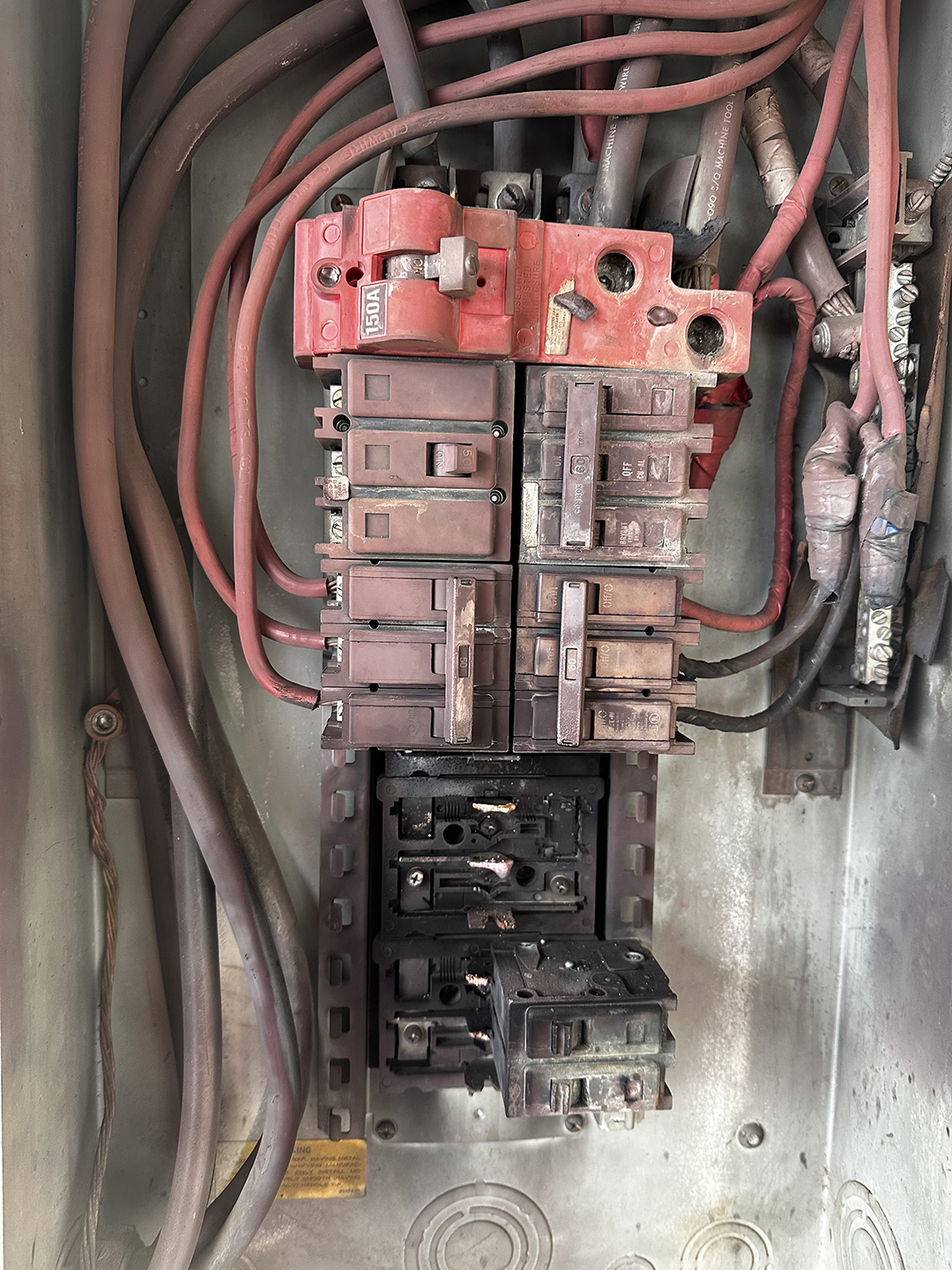
Outdoor sub panels face the same environmental challenges as main panels. Heat, dust, monsoon moisture, UV exposure, all of it. The gaskets on the panel cover eventually deteriorate and need replacement. Connections can work loose over time from thermal expansion and contraction. Breakers eventually wear out from repeated use. None of this is catastrophic, but it requires periodic attention. Pool sub panels get extra exposure to moisture and chemicals. Chlorine vapor and humidity accelerate corrosion on connections and bus bars. Pool sub panels benefit from annual inspection and cleaning to remove any buildup or corrosion before it becomes problematic.
This is especially true if your pool equipment pad has poor drainage and water sits around the sub panel after rain.
When to schedule follow-up inspections depends on usage and environment. If your sub panel is in a garage that’s climate controlled and not exposed to harsh conditions, inspections every five years are probably adequate. If it’s outdoors near a pool or in a detached structure that gets full sun and monsoon exposure, more frequent inspections make sense. The key is catching small problems before they become failures that leave you without power.
Lifespan for a properly installed sub panel in Arizona should be 25-35 years, similar to main panels. The same factors that affect main panel longevity apply to sub panels: heat, quality of installation, usage patterns, and environmental exposure. A sub panel that’s well-maintained and properly installed should outlast your ownership of the property.
FAQ: Sub Panel Installation
01 Circuit Panel Installation
New panel installations, full replacements
Complete Panel Replacement & New Installation Description: Upgrading from an outdated 100-amp fuse box? Building an addition? We handle full panel replacements and new installations that meet 2024 NEC codes. Arizona’s extreme heat demands panels built to last.
02 Sub Panel Installation
Expand Your Power with Sub Panel Solutions
Add power where you need it with clean, code-compliant sub panels for garages, additions, and outdoor spadding a workshop, pool equipment, or converting your garage? Sub panels distribute power exactly where you need it without overloading your main system. Perfect for Maricopa County home additions and outdoor spaces.ces.
