

How Electrical Codes Differ from Phoenix to Scottsdale to Gilbert
Electrical Inspections That Pass the First Time
You’re in the middle of a renovation at your Scottsdale home, or maybe you just closed on that Gilbert property you’ve had your eye on. Either way, the city wants an electrical inspection before you move forward. It’s not optional, and if you fail, you’re looking at delays, rework, and more money out of pocket.
Avoid Common Inspection Failures in Maricopa County Homes Built Before 2000
State Electrical Contractors has been handling electrical inspections across Maricopa County since 1987. We know what inspectors look for because we’ve worked alongside them for over three decades.
Whether you need a pre-sale inspection, a final walkthrough after new construction, or a safety check on an older home in Paradise Valley, we make sure your electrical system meets Arizona code the first time.
Here’s what happens when you schedule an inspection with us. We show up on time (because the Valley heat doesn’t wait for anyone), we assess your entire electrical system from the panel to every outlet, and we document everything the city or county inspector will flag. If something’s not up to code, we fix it before the official inspection happens. No surprises. No second visits. No wondering if that aluminum wiring in your Fountain Hills house is going to hold you up for another week.
Most inspection failures come down to a few common issues: outdated panels that can’t handle Arizona’s AC load during July, improper grounding in older Desert Ridge neighborhoods, or DIY work that looked fine until someone who knows the 2023 NEC took a closer look. We catch those problems early. We’ve seen every type of electrical setup from Chandler to Carefree, and we know how to bring them up to standard without tearing apart your walls or your budget.
When you’re buying, selling, or renovating property in the Valley, the last thing you need is an electrical holdup. Let’s get your inspection done right.
How We Get Your Electrical System Inspection-Ready Before the Inspector Arrives
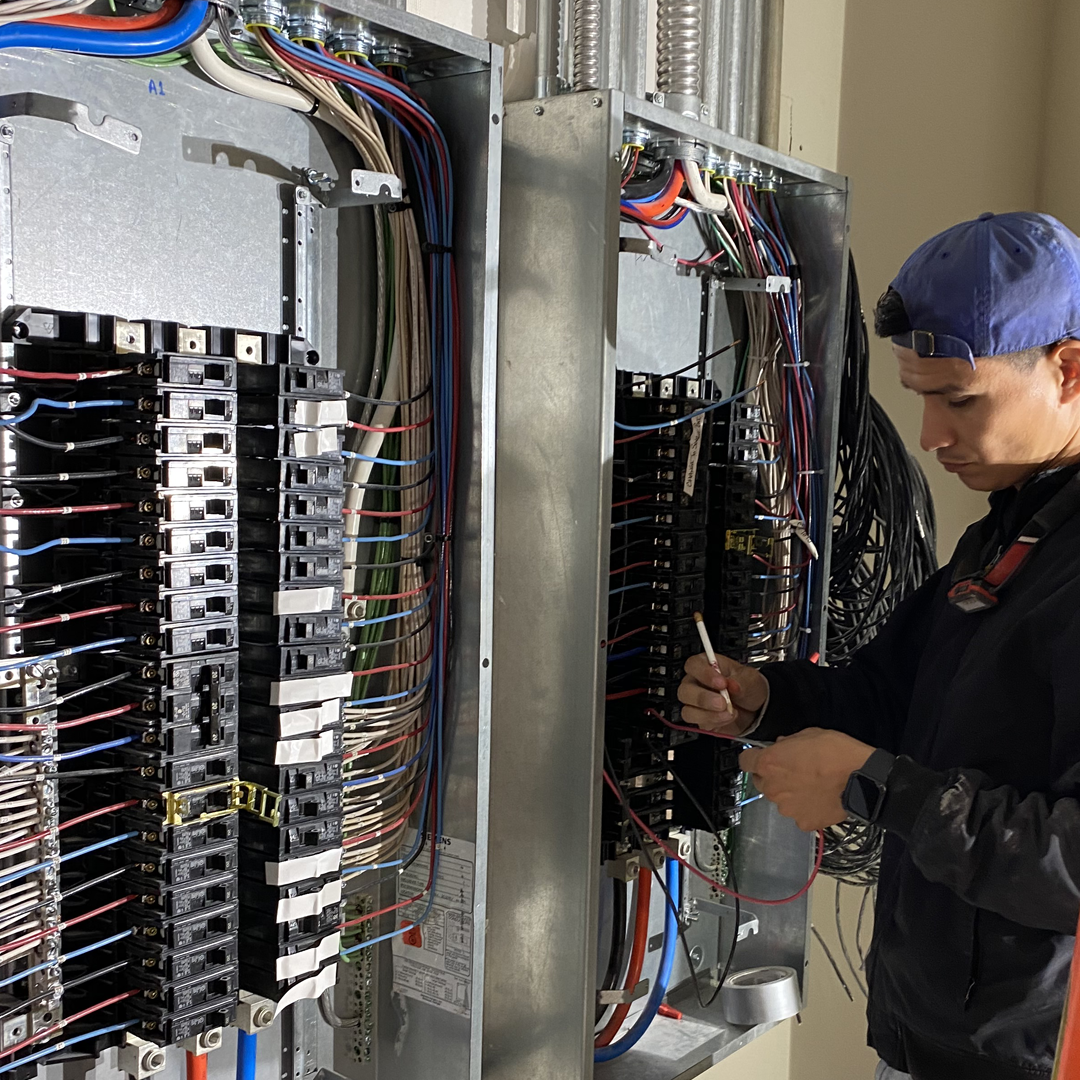
We don’t wait for the inspector to tell you what’s wrong. Our pre-inspection process walks through your entire electrical system the way the city inspector will, except we catch the problems first. We check your panel capacity, verify proper grounding on every circuit, test GFCI outlets in kitchens and bathrooms, confirm wire gauges match their breakers, and look for any amateur repairs that don’t meet Arizona’s electrical code. If we find something off, we fix it before you schedule the official inspection. That means no callbacks, no delays, and no wondering if you’ll pass. Most inspections fail for preventable reasons like missing junction box covers, incorrect wire connections, or panels that can’t handle the load your AC pulls in August. We’ve been doing this since 1987, so we know what passes and what doesn’t.
Common Inspection Failures in Maricopa County Homes Built Before 2000
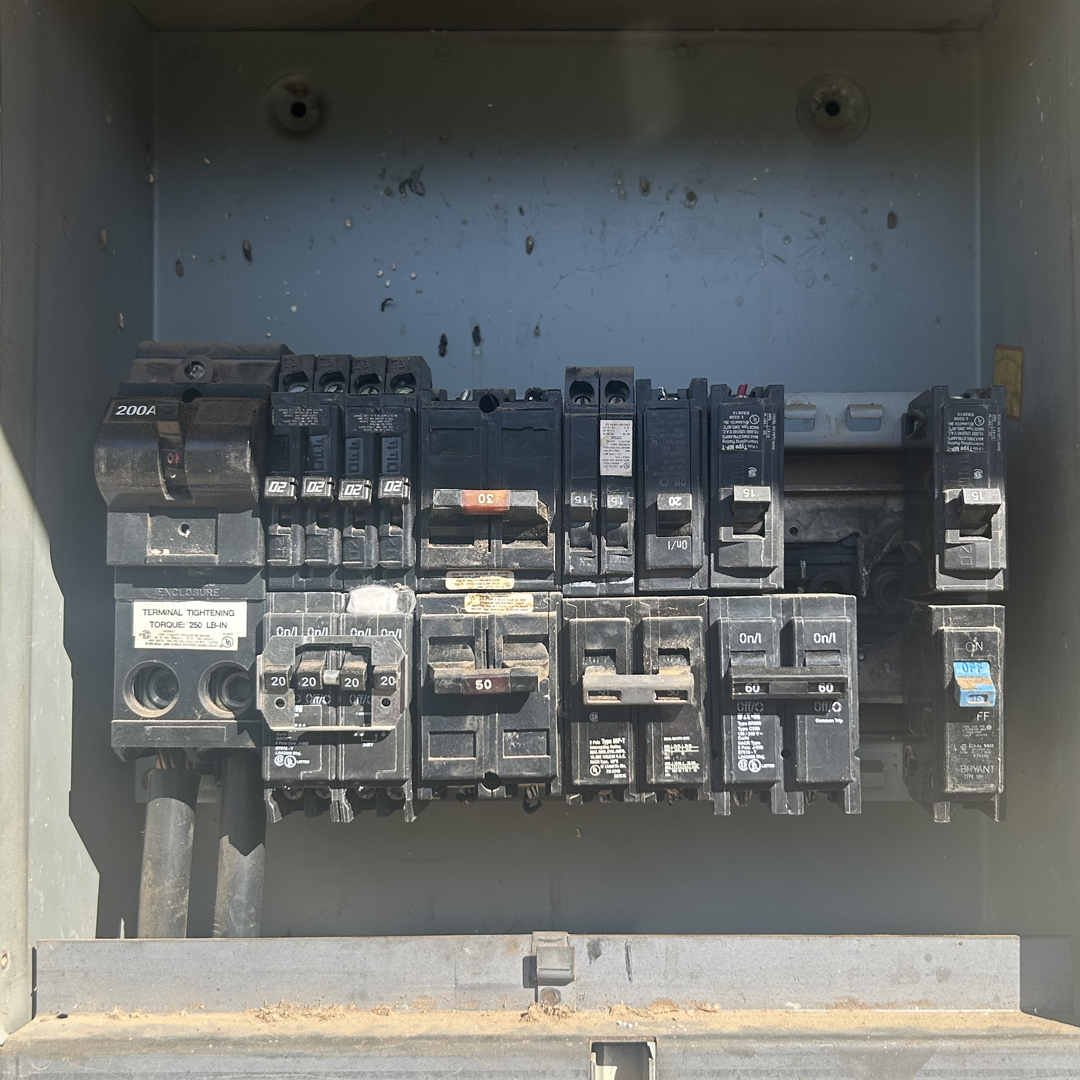
Older Valley homes have character, but they also have electrical systems that weren’t designed for today’s power demands. If your house was built before 2000, there’s a good chance you’re dealing with at least one of these issues. Aluminum wiring was common in the 70s and early 80s, and inspectors flag it immediately because of fire risk. Federal Pacific or Zinsco panels show up in thousands of Desert Ridge and Tempe homes, and they fail code because breakers don’t trip reliably. Two-prong outlets without proper grounding are another common problem, especially in bathrooms and kitchens where GFCI protection is now required. You’ll also see outdated 60-amp or 100-amp service panels that can’t support modern appliances, central AC, and pool equipment all running at once during summer. We’ve upgraded hundreds of these systems across Scottsdale, Gilbert, and Chandler, and we know exactly what needs to happen to bring them current without ripping out everything.
Thermal Imaging Inspections for Hidden Electrical Problems
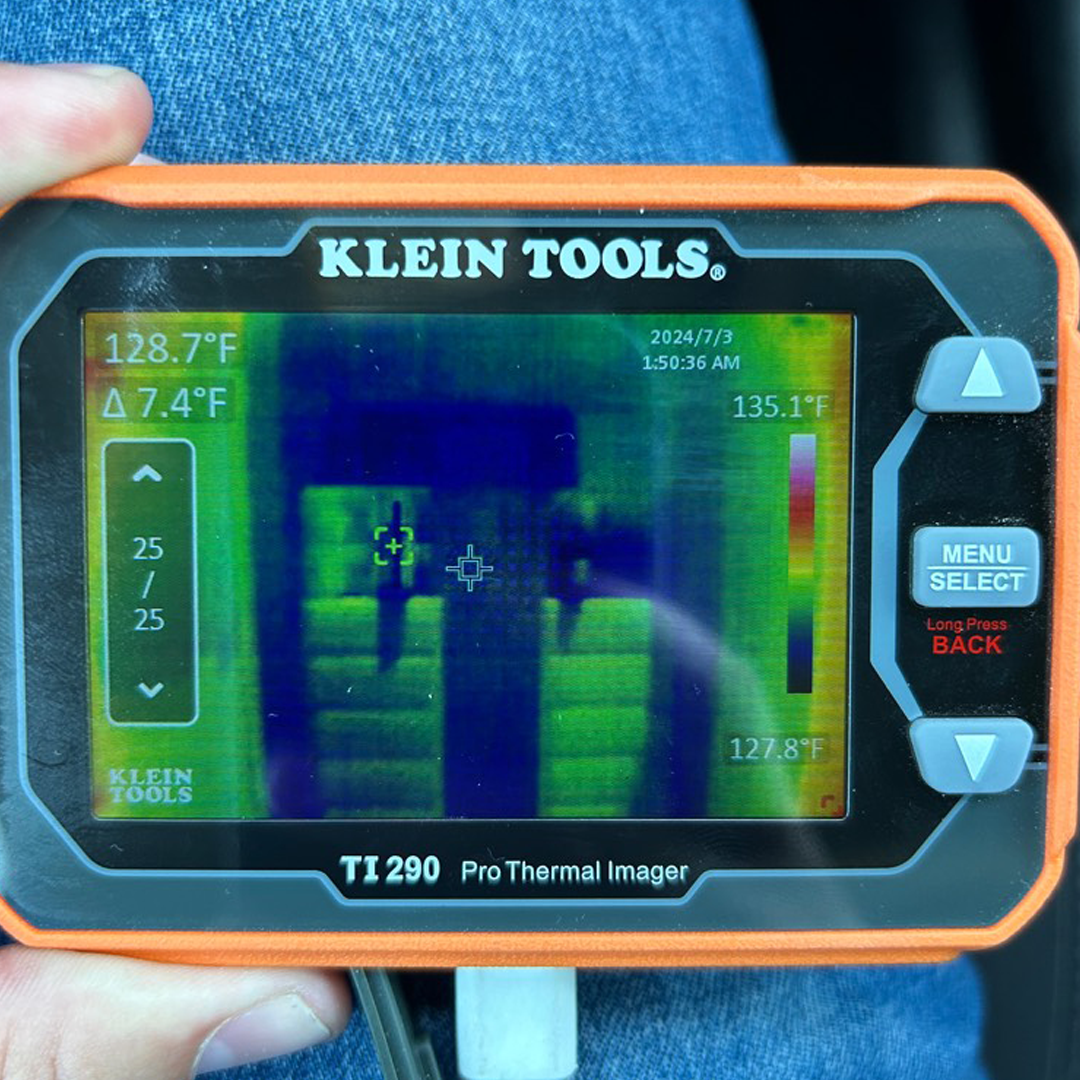
You can’t see heat building up inside your walls, but we can. Thermal imaging lets us identify electrical problems before they turn into fires or equipment failures. Our infrared cameras detect hot spots in circuit breakers, overloaded wiring, loose connections, and failing components that look fine on the surface. This is especially critical in Arizona because the ambient heat amplifies any electrical issue. A connection that runs warm in January can overheat by July when your AC is running full blast. We use thermal inspections during routine safety checks, pre-purchase evaluations, and after any major electrical work. If you’re buying a home in Paradise Valley or Fountain Hills, a thermal scan shows you exactly what’s happening behind the drywall before you close. If you’re selling, it proves your system is solid and prevents inspection surprises. Electrical fires often start from problems that standard visual inspections miss. Thermal imaging catches them early when they’re still easy to fix.
Types of Electrical Inspections We Provide
We handle every type of electrical inspection required in Maricopa County. Pre-sale inspections verify your system meets code before you list your property, which prevents buyer negotiations and last-minute repair demands. Pre-purchase inspections protect you from inheriting someone else’s electrical problems, especially in older homes where previous owners cut corners. New construction and remodel inspections ensure all work meets the 2023 National Electrical Code and local amendments before the city inspector signs off. Safety inspections assess your entire system for fire hazards, code violations, and outdated components that need replacement. Pool and spa inspections verify bonding, grounding, and GFCI protection around water features, which is non-negotiable in Arizona. Rental property inspections keep landlords compliant and tenants safe. Commercial inspections cover everything from office build-outs to restaurant electrical systems. Whatever inspection you need, we document everything, provide a detailed report, and handle any repairs required to pass.
How Electrical Codes Differ from Phoenix to Scottsdale to Gilbert
Maricopa County cities all follow the NEC, but local amendments and enforcement priorities vary. Phoenix has strict requirements for solar panel integration and EV charger installations because of high adoption rates in newer developments. Scottsdale enforces landscape lighting codes more aggressively, especially in HOA communities where outdoor aesthetics matter. Gilbert focuses heavily on pool safety regulations because so many homes have backyard pools. Tempe’s older neighborhoods see more scrutiny on panel upgrades and aluminum wiring replacement during remodels. Chandler and Mesa require additional documentation for commercial inspections, particularly in industrial areas. Fountain Hills and Cave Creek have unique requirements for well pump electrical systems and rural properties with detached structures. We work across all these jurisdictions regularly, so we know what each city’s inspectors prioritize and what documentation they expect. That local knowledge is the difference between passing on the first visit and scheduling a re-inspection two weeks later.
What Happens During an Electrical Inspection
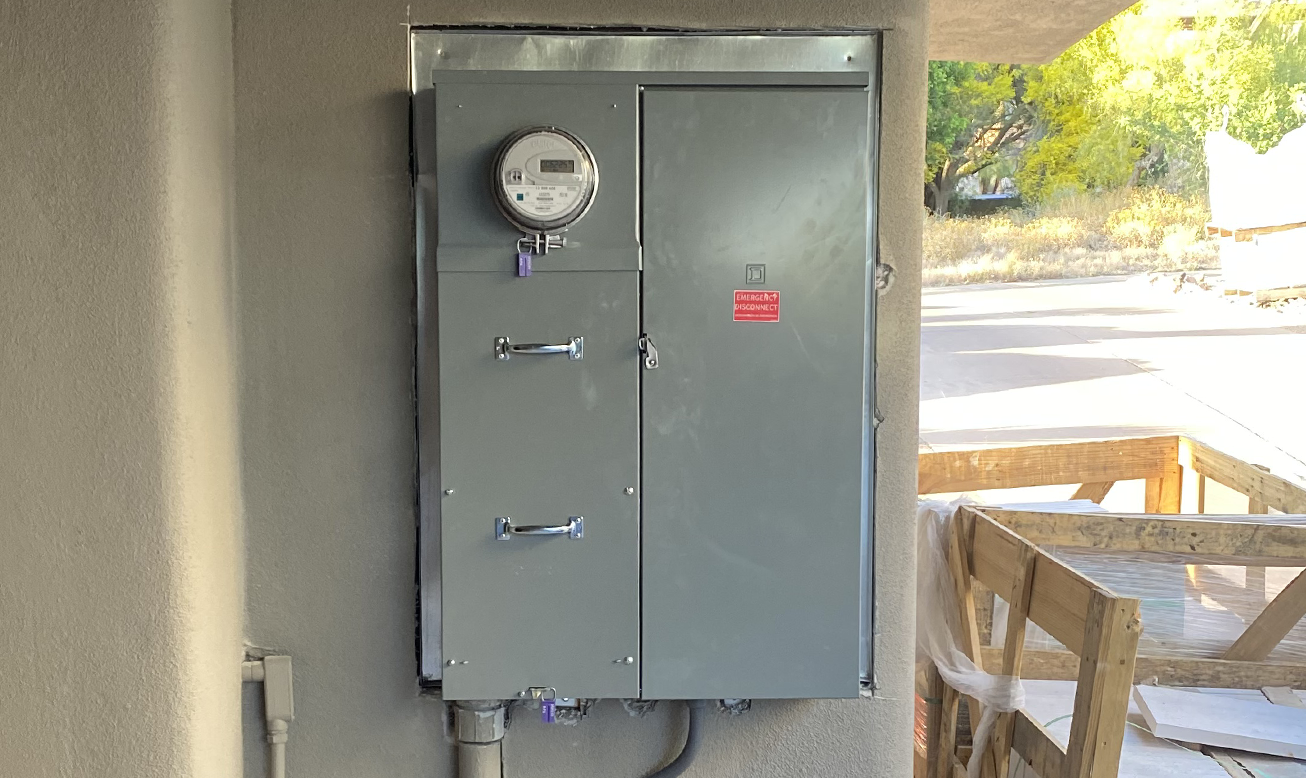
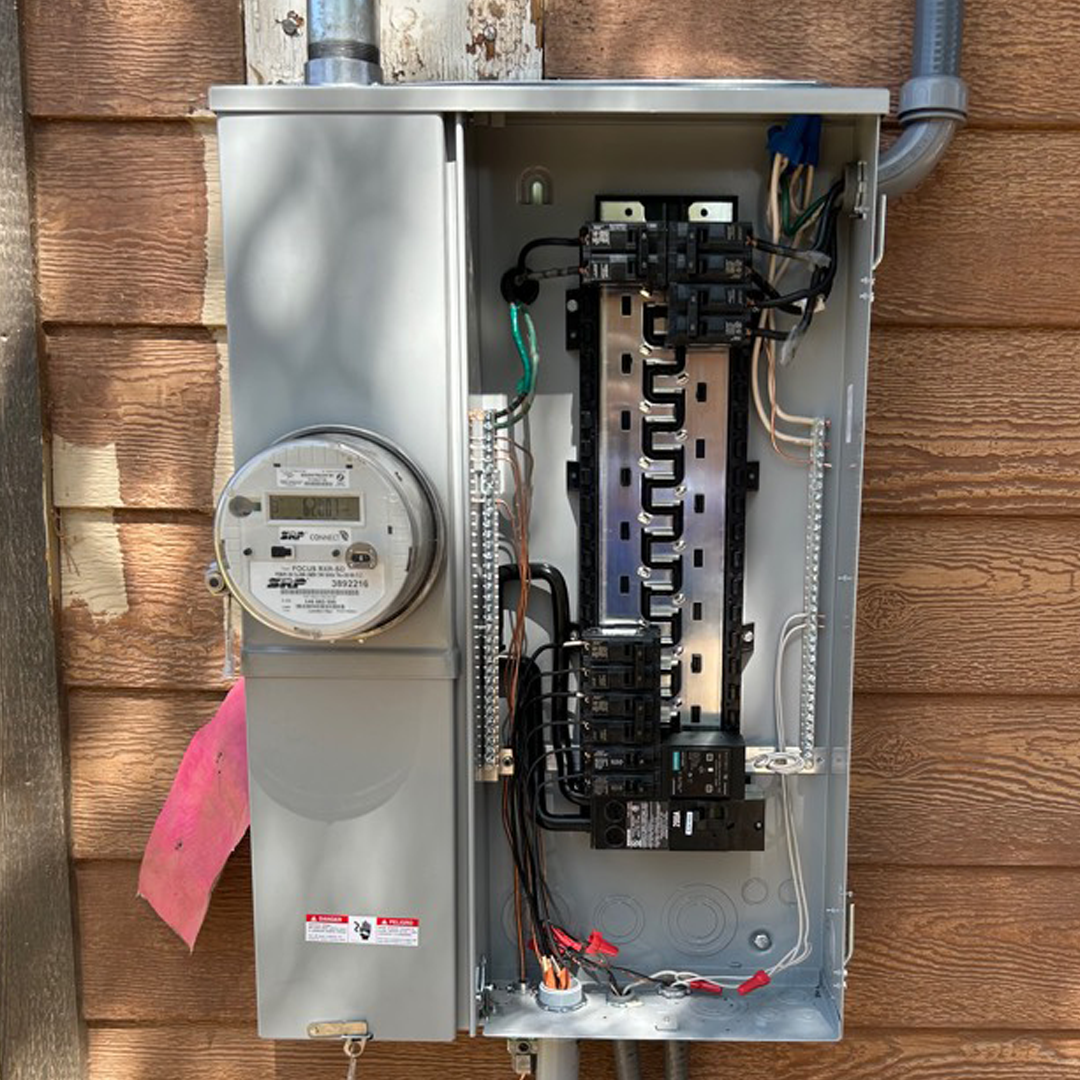
The inspector shows up and checks everything that powers your home. They open your electrical panel and verify the breaker ratings match wire gauges, look for double-tapped breakers (two wires on one breaker terminal), confirm proper labeling, and check for scorching or corrosion. They test GFCI outlets in bathrooms, kitchens, garages, and outdoor areas to make sure they trip correctly. They verify proper bonding and grounding throughout your system. They check junction boxes for proper covers and securely fastened connections. They look at your service entrance for proper weatherhead installation and secure meter mounting. They inspect visible wiring for damage, improper splices, and code violations. They verify smoke detector placement and interconnection. They check that circuits aren’t overloaded and that your panel capacity matches your home’s power demands. If you have a pool, they inspect bonding around the water, GFCI protection for pumps and lights, and proper equipment grounding. The entire process takes one to three hours depending on your home’s size and complexity. If everything passes, you get a signed inspection report. If something fails, they document exactly what needs correction before they’ll return for a re-inspection.
Frequently Asked Questions About Electrical Inspections
01 Circuit Panel Installation
New panel installations, full replacements
Complete Panel Replacement & New Installation Description: Upgrading from an outdated 100-amp fuse box? Building an addition? We handle full panel replacements and new installations that meet 2024 NEC codes. Arizona’s extreme heat demands panels built to last.
02 Sub Panel Installation
Expand Your Power with Sub Panel Solutions
Add power where you need it with clean, code-compliant sub panels for garages, additions, and outdoor spadding a workshop, pool equipment, or converting your garage? Sub panels distribute power exactly where you need it without overloading your main system. Perfect for Maricopa County home additions and outdoor spaces.ces.
